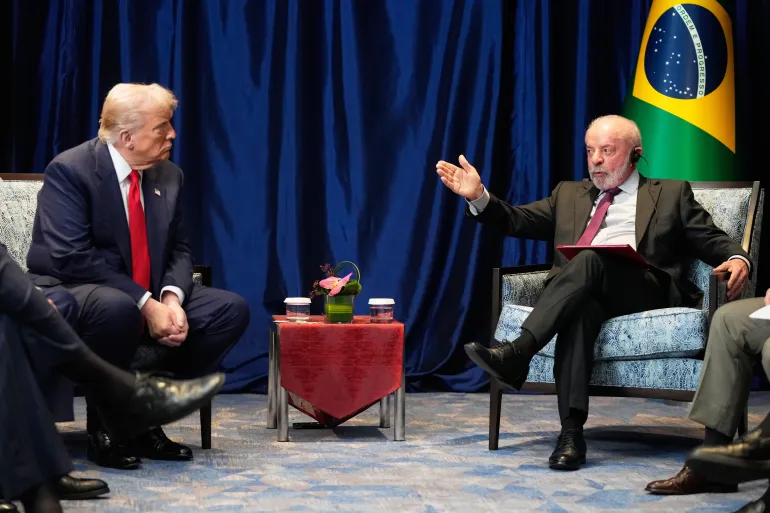
The Trump administration will levy 25% duties on thousands of Brazilian products as Washington concludes a Section 301 trade investigation into alleged unfair practices.
The United States is set to impose 25% tariffs on thousands of imports from Brazil, marking the first major action under the Trump administration’s revamped trade strategy based on Section 301 of US trade law.
The new duties, announced late Wednesday by the Office of the United States Trade Representative (USTR), will apply to a wide range of Brazilian goods, including sugar, apparel, paper, and steel. The tariffs are scheduled to take effect on July 22.
The move follows the conclusion of a year-long Section 301 investigation, which examined whether Brazil engaged in trade practices considered unfair by the United States. Under Section 301, the US government can investigate foreign trade policies and impose tariffs or other measures if it determines that American businesses have been harmed.
Wide-Ranging Product Exemptions
While the new tariffs will affect thousands of Brazilian exports, the White House has also announced several key exemptions.
Products excluded from the additional duties include:
- Beef
- Coffee
- Certain rare-earth materials
- Aircraft parts
- Selected oil and gas products
The exemptions come as American consumers continue to face higher food prices. According to the latest US Consumer Price Index (CPI), beef prices have increased 11.8% over the past year, while coffee prices have risen 12%, making both products more expensive amid ongoing trade-related pressures.
Trade Dispute Despite US Surplus
The tariff decision comes despite the United States maintaining a growing trade surplus with Brazil.
US trade data shows the American trade surplus with Brazil reached $14.4 billion in 2025, nearly doubling from $7.7 billion in 2024.
Despite the surplus, US officials argue that Brazil has engaged in unfair trade practices in areas including:
- Digital trade regulations
- Market access policies
- Environmental enforcement
- Illegal deforestation concerns
The Trump administration says the tariffs are intended to address these issues and encourage fairer trading conditions.
Brazil Rejects US Allegations
Brazilian officials have strongly denied the accusations.
President Luiz Inácio Lula da Silva has repeatedly rejected claims that Brazil’s trade policies are unfair, arguing that the investigation is politically motivated.
Brazilian leaders have suggested the dispute is linked to domestic political developments, including legal proceedings involving former President Jair Bolsonaro, a close political ally of President Donald Trump. Bolsonaro faces legal challenges in Brazil over allegations related to an attempted coup following the country’s previous presidential election.
Impact on Bilateral Trade
The latest tariffs are expected to add further tension to US-Brazil trade relations while increasing uncertainty for exporters and manufacturers in both countries.
Trade analysts say the duties could affect supply chains and increase costs for businesses importing Brazilian products, although the exemptions for key commodities may help limit the impact on US consumers.
As the tariffs take effect later this month, both governments are expected to continue discussions over trade policy and broader economic relations, with businesses closely monitoring the potential impact on one of Latin America’s largest economies.