The British government says the new law aims to protect children’s health by restricting access to high-caffeine energy drinks linked to sleep problems, anxiety, and poor concentration.
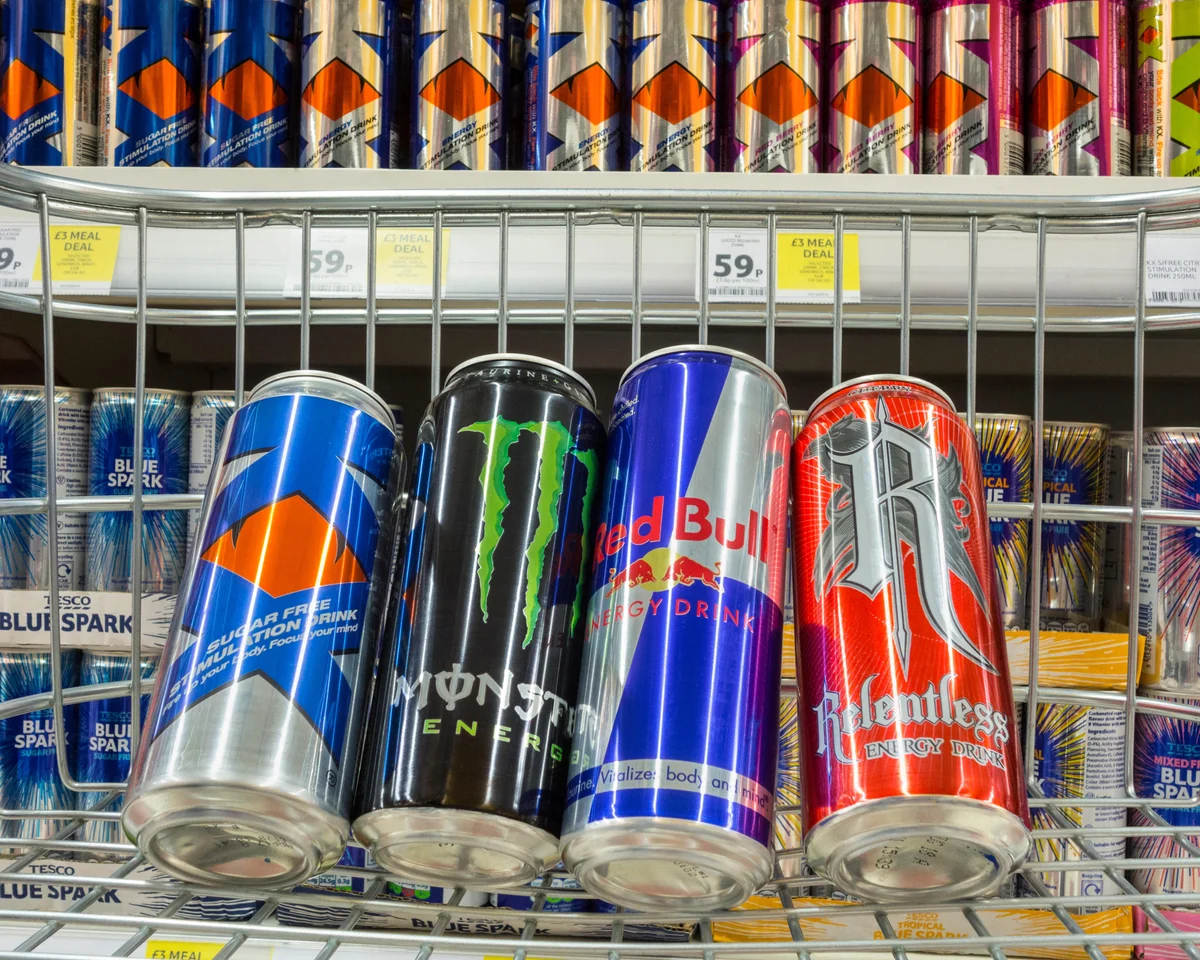
The UK government has announced plans to ban the sale of high-caffeine energy drinks to children under the age of 16 in England, with the new rules scheduled to take effect in April 2027, subject to parliamentary approval.
The measure is part of a broader effort to improve children’s health and wellbeing by limiting access to beverages containing high levels of caffeine.
According to the government, the restrictions will apply to energy drinks containing more than 150 milligrams of caffeine per litre.
The ban will cover sales through retail stores, supermarkets, vending machines, and online platforms, ensuring that under-16s cannot legally purchase the affected products.
Government Cites Health Concerns
British ministers said the decision was based on growing evidence linking excessive caffeine consumption among children to a range of health concerns.
Officials estimate that around 100,000 children in England consume high-caffeine energy drinks every day, raising concerns about the long-term impact on physical and mental wellbeing.
Research cited by the government associates frequent consumption of these beverages with:
- Sleep disruption
- Increased anxiety
- Poor concentration
- Reduced academic performance
- Behavioral issues
Health experts have long warned that excessive caffeine intake can negatively affect children’s developing bodies and interfere with healthy sleep patterns.
Wider Child Protection Measures
The energy drink restrictions form part of a broader package of policies introduced by the government to strengthen protections for children and teenagers.
Outgoing Prime Minister Keir Starmer’s administration has also proposed tighter rules governing young people’s use of social media and digital platforms.
Among the proposed measures are plans to:
- Ban social media access for children under 16.
- Introduce default overnight social media curfews for 16- and 17-year-olds.
- Promote healthier online habits and improved sleep among teenagers.
The government argues these initiatives are designed to improve children’s mental health, wellbeing, and overall quality of life.
Retailers Prepare for New Rules
If approved by Parliament, retailers across England will be required to introduce age verification measures for the sale of high-caffeine energy drinks.
Businesses selling the products in physical stores, vending machines, or online will need to ensure they comply with the new regulations before the law comes into force.
Officials say the policy aligns England with growing international efforts to reduce children’s exposure to products that may negatively affect health and development.
The government believes the restrictions will help create healthier environments for young people while encouraging responsible consumption of caffeinated beverages.
The British government says the new law aims to protect children’s health by restricting access to high-caffeine energy drinks linked to sleep problems, anxiety, and poor concentration.
The UK government has announced plans to ban the sale of high-caffeine energy drinks to children under the age of 16 in England, with the new rules scheduled to take effect in April 2027, subject to parliamentary approval.
The measure is part of a broader effort to improve children’s health and wellbeing by limiting access to beverages containing high levels of caffeine.
According to the government, the restrictions will apply to energy drinks containing more than 150 milligrams of caffeine per litre.
The ban will cover sales through retail stores, supermarkets, vending machines, and online platforms, ensuring that under-16s cannot legally purchase the affected products.
Government Cites Health Concerns
British ministers said the decision was based on growing evidence linking excessive caffeine consumption among children to a range of health concerns.
Officials estimate that around 100,000 children in England consume high-caffeine energy drinks every day, raising concerns about the long-term impact on physical and mental wellbeing.
Research cited by the government associates frequent consumption of these beverages with:
- Sleep disruption
- Increased anxiety
- Poor concentration
- Reduced academic performance
- Behavioral issues
Health experts have long warned that excessive caffeine intake can negatively affect children’s developing bodies and interfere with healthy sleep patterns.
Wider Child Protection Measures
The energy drink restrictions form part of a broader package of policies introduced by the government to strengthen protections for children and teenagers.
Outgoing Prime Minister Keir Starmer’s administration has also proposed tighter rules governing young people’s use of social media and digital platforms.
Among the proposed measures are plans to:
- Ban social media access for children under 16.
- Introduce default overnight social media curfews for 16- and 17-year-olds.
- Promote healthier online habits and improved sleep among teenagers.
The government argues these initiatives are designed to improve children’s mental health, wellbeing, and overall quality of life.
Retailers Prepare for New Rules
If approved by Parliament, retailers across England will be required to introduce age verification measures for the sale of high-caffeine energy drinks.
Businesses selling the products in physical stores, vending machines, or online will need to ensure they comply with the new regulations before the law comes into force.
Officials say the policy aligns England with growing international efforts to reduce children’s exposure to products that may negatively affect health and development.
The government believes the restrictions will help create healthier environments for young people while encouraging responsible consumption of caffeinated beverages.