
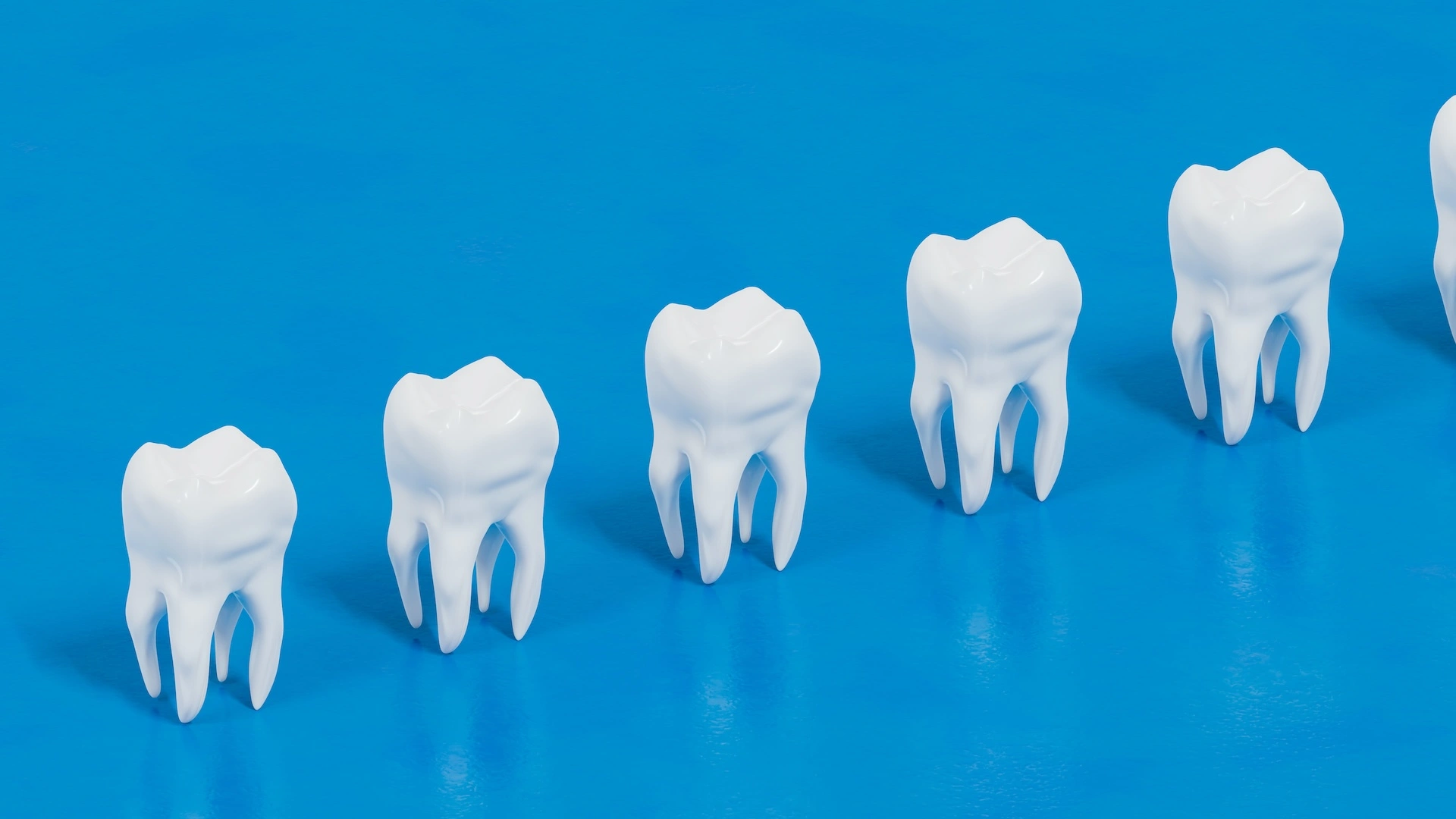
Researchers say regenerative dentistry could one day allow people to grow new teeth instead of relying on fillings, crowns, or dental implants.
For millions of people worldwide, losing a tooth often means living with dentures, implants, or other artificial replacements. However, scientists are now working on a revolutionary solution that could completely transform dental care: regrowing natural teeth.
Experts in regenerative medicine believe that future dental treatments may focus on stimulating the body to repair or regenerate damaged tooth tissue—or even grow an entirely new tooth—using advanced stem cell technology.
Growing Demand for Better Dental Solutions
Many people avoid visiting the dentist due to fear of painful procedures. Surveys indicate that more than 70% of adults experience anxiety about dental appointments, causing them to delay routine checkups and treatment.
Dr. Hannele Ruohola-Baker, Associate Director of the University of Washington Institute for Stem Cell and Regenerative Medicine, says she regularly receives emails from people eager to volunteer for experimental tooth-regeneration research.
“People are ready for something new in dentistry,” she said, highlighting the growing public interest in regenerative dental treatments.
Why Tooth Regeneration Matters
Current treatments for tooth loss—including fillings, crowns, bridges, dentures, and implants—are effective but remain artificial solutions. They often require maintenance or replacement over time and cannot fully replicate the structure and function of natural teeth.
Researchers hope regenerative dentistry could provide permanent, biologically natural replacements that heal and integrate with the body.
More Than Just a Smile
Scientists emphasize that oral health affects much more than appearance.
Poor dental health, particularly gum disease caused by harmful bacteria, has been linked to an increased risk of:
- Heart disease
- Respiratory infections
- Chronic inflammation
- Other serious health complications
Maintaining healthy teeth is therefore considered essential for overall well-being.
The Future of Dentistry
Although tooth regeneration is still under development and not yet available for routine clinical use, researchers worldwide are making significant progress in stem cell research and tissue engineering.
If successful, future dental appointments may no longer involve drills, fillings, or tooth extractions. Instead, dentists could stimulate the body to regenerate damaged dental tissue—or even grow entirely new teeth—offering a more natural and long-lasting solution for tooth loss.
While more clinical research and testing are needed before these treatments become widely available, scientists believe regenerative dentistry could represent one of the biggest breakthroughs in oral healthcare in the coming decades.