
Global oil prices climbed sharply on Wednesday after Iran launched attacks on commercial tankers near the strategic Strait of Hormuz, reigniting fears of major disruptions to global energy supplies and pushing Brent crude above $80 a barrel for the first time since the recent ceasefire began.
Brent crude, the international benchmark, surged nearly 6 percent, marking its steepest single-day increase since the ceasefire between the United States and Iran was announced last month. US West Texas Intermediate (WTI) crude also posted strong gains as traders reacted to the escalating security crisis in one of the world’s most important oil transit routes.
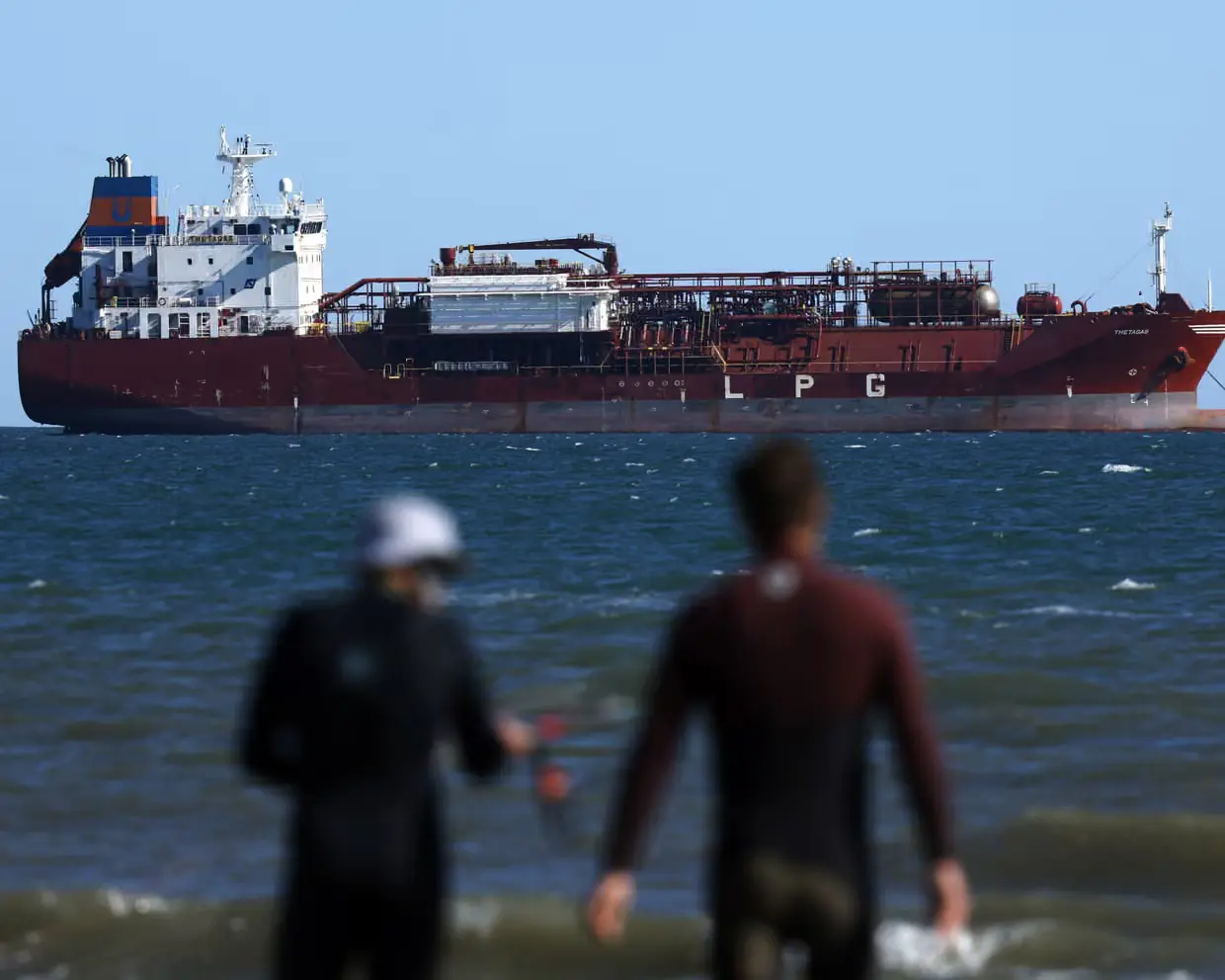
The latest rally follows reported attacks on several oil and liquefied natural gas (LNG) tankers transiting the Strait of Hormuz, through which roughly 20 percent of the world’s seaborne oil passes each day. Shipping companies have begun rerouting or delaying vessels as maritime security risks intensify.
The renewed violence has raised concerns that global oil supplies could face significant disruption if shipping through the narrow waterway is further restricted. Analysts say traders are once again pricing in a geopolitical risk premium after hopes for a lasting ceasefire faded.
Financial markets also reacted negatively to the heightened tensions. Major stock indexes fell as investors shifted toward safe-haven assets, while energy companies benefited from the sharp rise in crude prices. European natural gas prices also increased amid fears of broader supply disruptions.
Despite the sharp price jump, market analysts believe oil prices are unlikely to remain above $100 per barrel unless the Strait of Hormuz experiences a prolonged closure or large-scale supply outages. Strategic petroleum reserves, alternative export routes, and increased production from other oil-producing nations could help cushion the impact of any sustained disruption.
The Strait of Hormuz remains one of the world’s most strategically important energy chokepoints, making any escalation in the region closely watched by governments, energy markets and investors worldwide.