
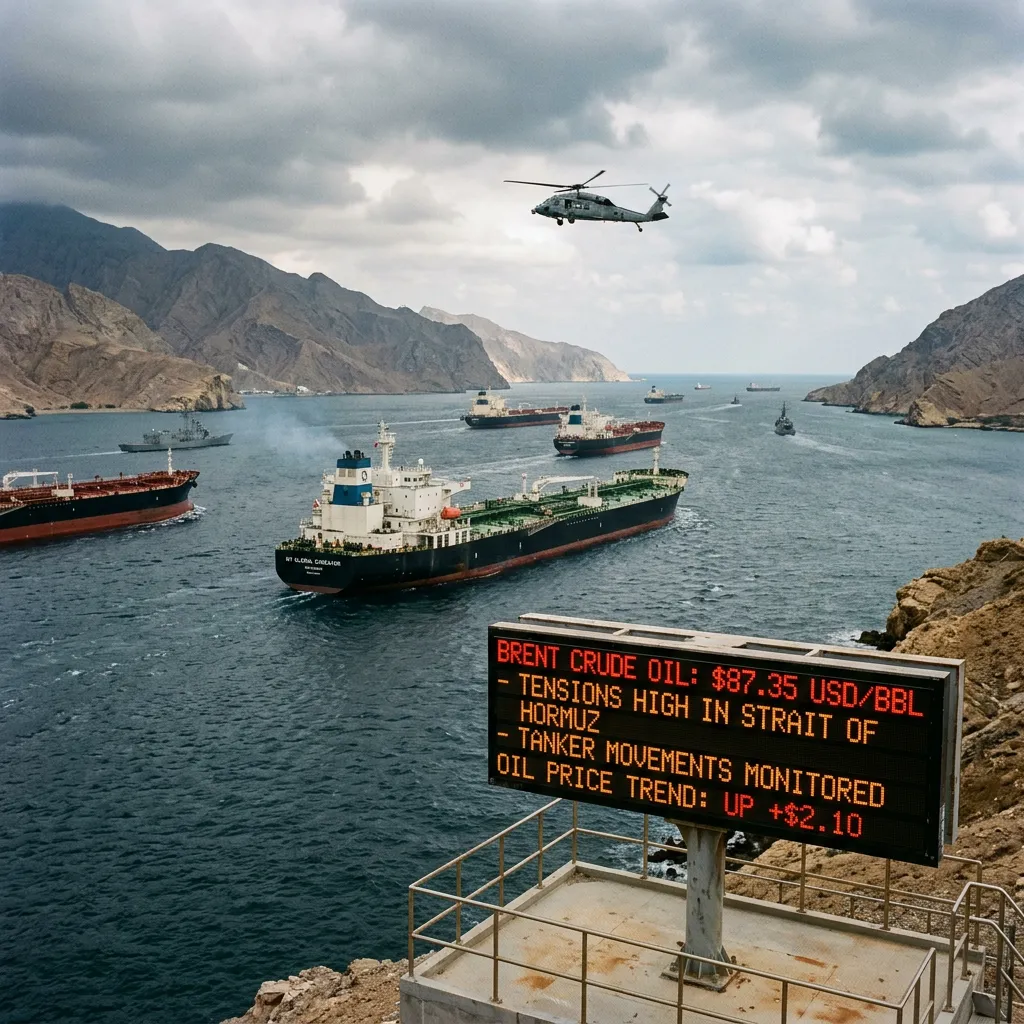
Growing regional conflicts and fears of supply disruptions push crude oil prices to their highest levels in weeks.
Global oil prices climbed above $85 per barrel as escalating geopolitical tensions heightened concerns over potential disruptions to global energy supplies, sending shockwaves through international financial markets.
Brent crude, the global benchmark for oil prices, rose above the $85 mark as investors reacted to increased uncertainty surrounding key oil-producing regions and major shipping routes. U.S. West Texas Intermediate (WTI) crude also recorded significant gains during trading.
Market analysts say rising geopolitical tensions have increased fears that conflicts could disrupt crude oil production and transportation, particularly through strategically important shipping corridors. The possibility of supply interruptions has prompted traders to bid oil prices higher, reflecting growing concerns about the stability of global energy markets.
Higher crude oil prices could have far-reaching effects on the global economy, increasing transportation, manufacturing, and electricity costs while placing additional pressure on inflation.
Economists warn that prolonged increases in oil prices may complicate efforts by central banks to control inflation and support economic growth.
Financial markets are closely tracking geopolitical developments, as any further escalation could trigger additional volatility in oil prices and broader commodity markets.Investors have also shifted toward traditional safe-haven assets such as gold and the U.S. dollar, reflecting heightened uncertainty in global markets.
Energy analysts believe crude oil prices will remain highly sensitive to geopolitical events in the coming weeks. Should tensions continue to escalate or supply disruptions materialize, oil prices could move even higher, potentially affecting global trade, inflation, and economic recovery.