
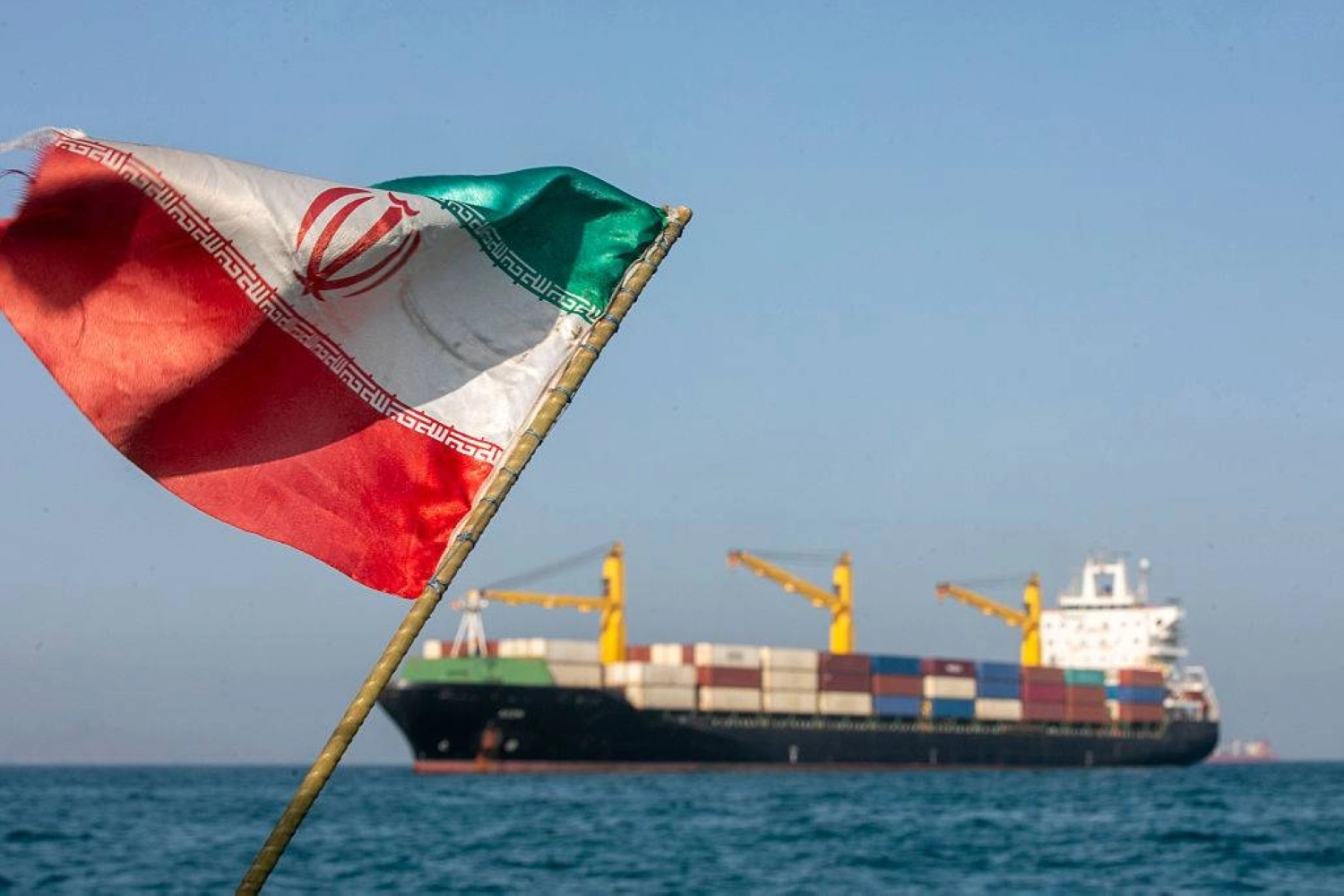
Iran has initiated talks with Japanese companies to resume crude oil sales for the first time since 2019, leveraging a temporary 60-day U.S. sanctions waiver issued on June 22. The brief reprieve is tied to ongoing peace talks between Washington and Tehran, offering a highly restricted window that expires on August 21. While at least three Japanese buyers are exploring potential purchases, government officials in Tokyo remain cautious, noting that any potential transactions are currently a matter for private industry.
The primary hurdle for prospective buyers is the razor-thin timeline, as the round-trip shipping duration between Iran and Japan leaves little room to finalize contracts and execute deliveries before the August deadline. Iranian officials acknowledge that a practical deal will require the U.S. to extend the current waiver window. Furthermore, Asian refiners are currently well-stocked, meaning independent Chinese refineries—which have served as Iran’s primary customer since U.S. sanctions tightened in 2018—are expected to remain the dominant buyers unless a longer-term agreement is reached.
Severe maritime security risks in the Strait of Hormuz present an even greater obstacle to finalizing any deals. The vital shipping lane remains highly volatile following a recent Iranian attack on a container ship and a directive from the Revolutionary Guards that all transits must be cleared with them first. Complicating matters, the U.N.’s shipping agency estimates that roughly 80 floating mines are drifting in the central waterway, making maritime insurance the single largest challenge for Japanese refiners looking to secure Japanese-operated tankers for the voyage.