
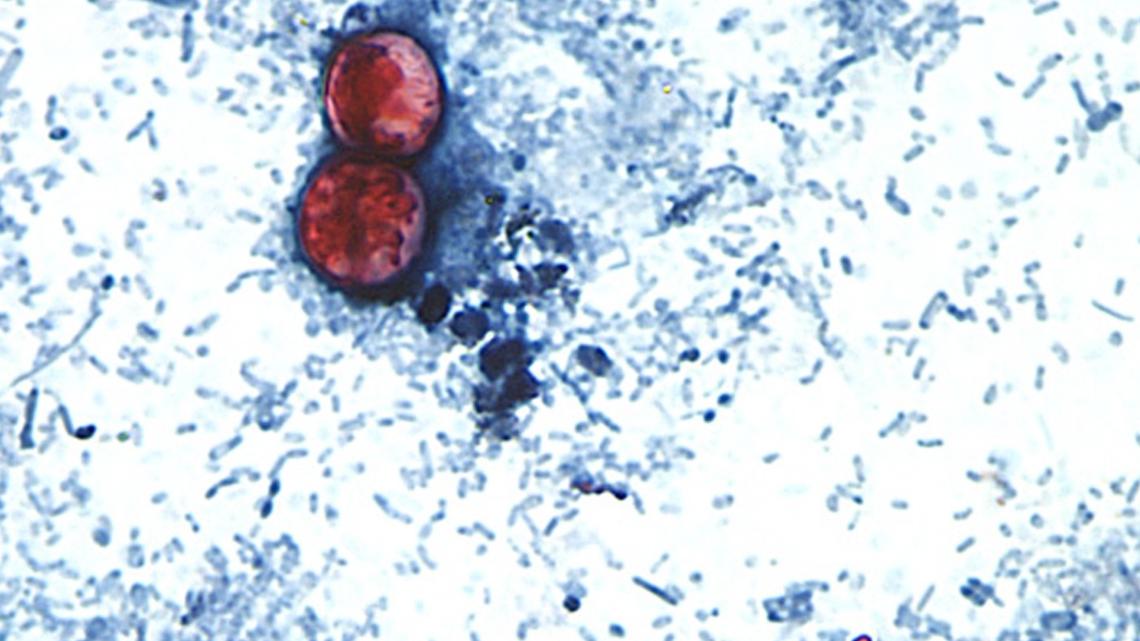
A major spike in cyclosporiasis, a severe intestinal illness caused by the microscopic parasite Cyclospora cayetanensis, has sparked health alerts across several parts of the United States. While the Centers for Disease Control and Prevention (CDC) had recorded fewer than 150 nationwide cases in mid-June, the numbers have since escalated dramatically. Michigan has emerged as a major hotspot, with its Department of Health and Human Services reporting an explosion to 1,251 cases by July 9, up from just 170 infections at the end of June. New York has also experienced a notable surge, tracking nearly 400 cases since May, with the vast majority concentrated within New York City.
The single-celled parasite is known to spread through food or water contaminated with fecal matter, typically hitching a ride on fresh, raw agricultural products. While cyclosporiasis is rarely fatal, the CDC notes that it inflicts severe gastrointestinal distress, characterized by prolonged and sometimes explosive diarrhea. Despite the rapid geographic spread and rising case counts, state health investigators have not yet identified a definitive source. Spokespersons from both Michigan and New York health departments stated that no specific fresh produce supplier or distributor has been linked to the current outbreaks, though they emphasized that infections routinely peak during the warm spring and summer months.
In response to the growing outbreak, state health officials are urging consumers, households, and local restaurants to adopt immediate food handling precautions. Authorities specifically recommend purchasing whole heads of lettuce instead of pre-washed bagged salad mixes, discarding the outer two or three layers of leafy greens, and washing the remaining leaves thoroughly under running water. Similar washing protocols have been advised for herbs like cilantro and basil, as well as snow peas and green onions. Additionally, health departments are advising the public to completely avoid fresh, uncooked raspberries until the source of the contamination is successfully identified and contained.