
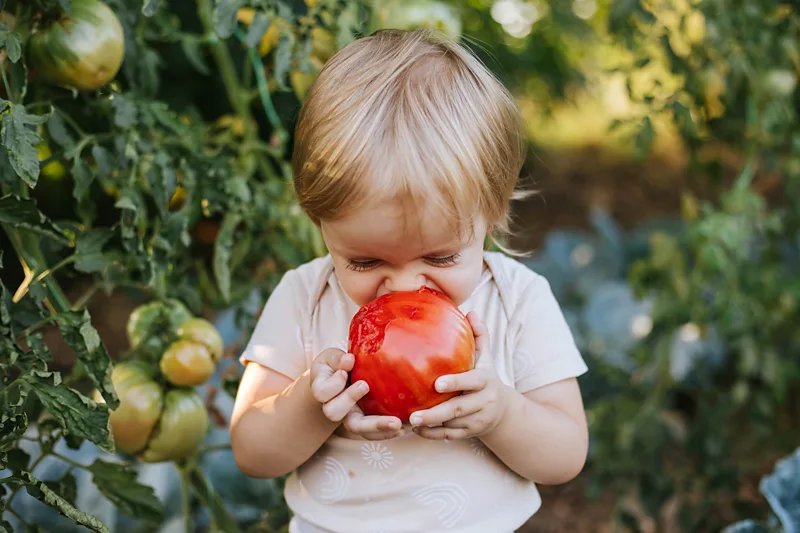
Introducing a wide variety of vegetables to children early in life establishes healthy eating patterns that persist into adulthood, according to a comprehensive review of pediatric nutrition research. Longitudinal studies tracking dietary behaviors from infancy through early adulthood demonstrate that specific parental feeding strategies and structured home environments significantly increase a child’s long-term vegetable intake.
Nutrition scientists highlight three foundational habits that have the greatest impact on lifelong dietary preferences:
The most effective method for building a long-term preference for vegetables is repeated, low-pressure exposure. Research shows that infants and young children may need to try a new vegetable between 8 and 15 times before accepting it. Parents who consistently offer rejected vegetables in small portions, without forcing the child to eat them, successfully normalize those flavors. Conversely, using pressure, rewards, or punishment creates negative associations with vegetables, which frequently leads to aversion and pickiness that extends into adolescence and adulthood.
Children naturally mimic the eating behaviors of their parents and caregivers. Studies indicate that children who regularly witness family members enthusiastically consuming vegetables are substantially more likely to view those foods as standard components of a meal. Creating a positive food environment—such as keeping cut vegetables accessible for snacks and maintaining a relaxed atmosphere during family meals—fosters an intuitive, lifelong preference for nutrient-dense foods.
Engaging children in the process of growing, selecting, and preparing vegetables significantly increases their willingness to consume them. Whether assisting with simple tasks in the kitchen, choosing produce at the grocery store, or participating in home gardening, hands-on experience reduces food neophobia (the fear of new foods). This active involvement fosters a sense of ownership and curiosity regarding vegetables, providing children with the practical skills and positive attitudes needed to maintain a vegetable-rich diet throughout their independent adult lives.