
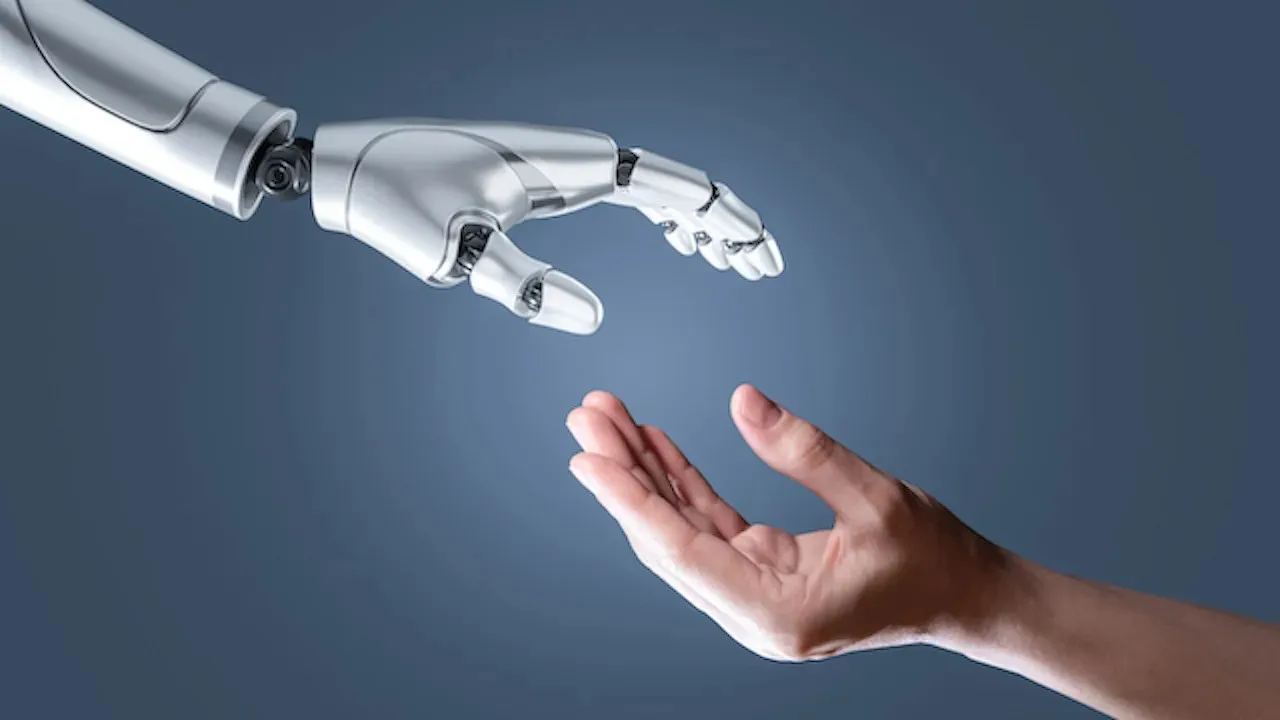
More than 200 economists, AI researchers, and Nobel laureates warn that artificial intelligence could transform the global economy faster than the Industrial Revolution.
More than 200 economists and artificial intelligence experts have signed an open letter urging governments, policymakers, and technology leaders to prepare for the far-reaching economic impact of artificial intelligence (AI).
The letter, released on Monday and organized by Stanford University’s Digital Economy Lab, warns that rapid advances in AI could reshape the global economy at an unprecedented pace, bringing both significant opportunities and serious risks.
Among the signatories are 16 Nobel Prize winners, alongside leading economists and AI researchers who argue that immediate action is needed to ensure society is prepared for the coming transformation.
The experts say AI has the potential to become significantly more capable over the next decade, driving economic and technological changes on a scale larger than the Industrial Revolution, but within a much shorter period.
According to the letter, the widespread adoption of AI could dramatically increase productivity, improve living standards, and accelerate innovation across industries. However, the researchers also warn that these benefits could be accompanied by large-scale job displacement, widening economic inequality, and major disruptions to labor markets if governments fail to prepare.
“It could bring risks, including large-scale job displacement, as well as opportunities such as major gains in living standards,” the statement said.
The open letter calls on governments and industry leaders to establish new incentives, regulatory guardrails, and institutions that encourage AI systems to complement human workers rather than replace them. The experts argue that carefully designed public policies can help maximize AI’s economic benefits while reducing its negative impact on employment and social stability.
The recommendations include investing in workforce training, supporting innovation, strengthening social protections, and developing governance frameworks that ensure AI is deployed responsibly.
Experts Warn Time Is Running Out
Anton Korinek, an economics professor at the University of Virginia and one of the organizers of the initiative, said policymakers have only a limited window to prepare.
“We cannot improvise our strategy and institutions in the middle of the transformation; waiting for certainty means arriving too late,” Korinek said.
He emphasized that governments should begin designing long-term economic strategies now rather than reacting after widespread disruption occurs.
AI’s Growing Impact on Jobs
The warning comes as businesses increasingly adopt generative AI technologies to automate tasks previously performed by human workers.
Several major technology companies have already announced workforce reductions while expanding investments in artificial intelligence.
Among them, Amazon announced plans to cut approximately 14,000 jobs after company executives said AI-powered systems and intelligent software agents would gradually assume responsibility for some existing roles.
Economists say AI is expected to reshape employment across sectors including finance, healthcare, manufacturing, education, customer service, and software development.
While many experts believe AI will create new categories of employment, they caution that governments, businesses, and educational institutions must work together to help workers adapt to the rapidly changing labor market.
The letter adds to the growing global debate over how artificial intelligence should be governed to ensure technological progress benefits society while minimizing economic disruption.