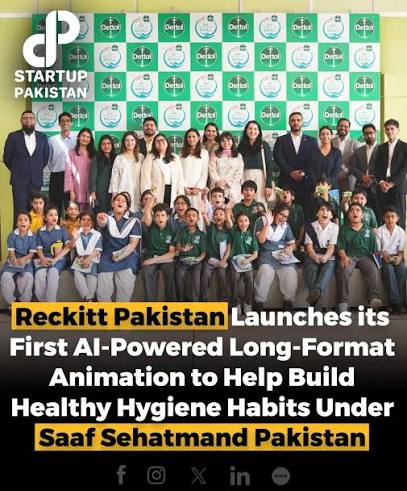

Reckitt Pakistan has introduced an AI-powered animation to promote handwashing with soap among children. The initiative highlights the importance of personal hygiene and aims to make hygiene education more engaging and accessible for young audiences. The campaign is associated with Global Handwashing Day, which raises awareness about the role of hand hygiene in protecting public health.
Background
Handwashing with soap is an important public health practice that helps reduce the spread of germs and infectious diseases. Children, in particular, benefit from learning good hygiene habits at an early age, especially in schools, homes and other shared environments.
Global Handwashing Day provides an opportunity for organisations, educators and public health advocates to encourage people to adopt effective handwashing practices. Educational campaigns can help children understand when and how to wash their hands properly.
Details
The AI-powered animation uses digital storytelling to communicate the importance of washing hands with soap. By presenting hygiene messages in an engaging format, the initiative seeks to make health education easier for children to understand and remember.
The campaign focuses on encouraging children to develop consistent handwashing habits in their daily lives. Washing hands with soap at key moments, including before eating and after using the toilet, can help reduce exposure to harmful germs.Digital educational content can also help parents and teachers introduce hygiene lessons in a format that appeals to younger audiences. However, the long-term effectiveness of such initiatives depends on continued awareness, access to soap and clean water, and regular practice.
Impact
Reckitt’s initiative highlights how technology and creative communication can support public health awareness. AI-powered animation offers another way to present important hygiene messages in a child-friendly format.
For the campaign to create lasting change, educational messages need to be supported by practical measures, including access to clean water, soap and suitable handwashing facilities. Consistent reinforcement at home and school can help turn awareness into everyday behaviour.
Conclusion
The launch of an AI-powered handwashing animation highlights the role of innovative communication in promoting children’s hygiene in Pakistan. By making health education more engaging, initiatives like this can encourage children to adopt better handwashing habits and understand the importance of preventing the spread of germs.
Frequently Asked Questions
What is Reckitt’s AI-powered handwashing animation?
Reckitt’s AI-powered handwashing animation is an educational initiative designed to promote proper handwashing with soap among children in Pakistan. The campaign uses engaging animated content to communicate important hygiene messages in a simple and child-friendly way. By combining technology with health education, the initiative aims to help children understand why handwashing matters and encourage them to develop healthy habits at home, in schools and in other everyday environments.
Why is handwashing with soap important for children’s health?
Handwashing with soap is essential for children’s health because it helps remove dirt, germs and other contaminants from their hands. Children frequently touch shared objects, play outdoors and interact with other people, which can increase their exposure to germs. Washing hands properly at important times can reduce the spread of certain infectious diseases, including diarrhoeal illnesses. Regular handwashing, combined with access to clean water and good sanitation, can support healthier environments for children
What is Global Handwashing Day, and why is it observed?
Global Handwashing Day is observed annually on October 15 to raise awareness about the importance of washing hands with soap. The day encourages individuals, schools, communities and organisations to make handwashing a regular part of daily life. It also highlights the need for access to soap, clean water and proper handwashing facilities. Awareness campaigns and educational activities can help people understand how this simple practice contributes to disease prevention and better public health.