
Finance Minister Muhammad Aurangzeb has asked Fitch Ratings what Pakistan needs to do to move towards the BB sovereign rating category. At the same time, the government is exploring a financing structure that combines a World Bank guarantee with MIGA coverage to raise around $1.5 billion at competitive rates.
Background
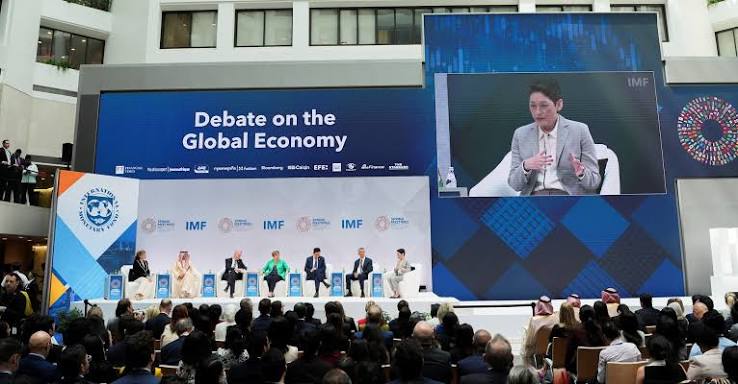
Aurangzeb is in Bangkok for the World Bank Group and International Monetary Fund (IMF) annual meetings. The talks are part of a series of meetings with financial institutions, investors, rating agencies and development partners, according to a Finance Division statement issued on Friday.
Pakistan has been working to rebuild its standing with lenders and investors. Earlier in the week, the minister cited sovereign rating upgrades, a Eurobond issuance in September and the October 7 IMF staff-level agreement as signs of progress.
Details
In his meeting with Fitch, Aurangzeb was accompanied by State Bank of Pakistan (SBP) Governor Jameel Ahmad. The delegation highlighted macroeconomic stabilisation, fiscal consolidation, sustained primary surpluses and restored access to international capital markets. They also pointed to better foreign exchange reserves, exchange-rate stability, inflation management and debt sustainability, and reaffirmed commitment to the IMF programme, structural reforms and export-led growth.
On financing, the minister welcomed a proposal to combine a World Bank policy-based guarantee with coverage from the Multilateral Investment Guarantee Agency (MIGA). The potential target is about $1.5 billion, subject to the size of the guarantee and the transaction structure, Business Recorder reported.
Quotes
Aurangzeb also warned about regional risks. He said the worrying part now is when the energy infrastructure starts getting hit, adding that damage to such sites would delay a return to economic normalcy. He noted that Pakistan had been on a fiscal consolidation path for some time, which has helped it deal with the shock.
Impact
A move into the BB category would be a milestone. It would signal stronger creditworthiness and could lower the cost of borrowing for the government and, indirectly, for Pakistani companies that raise money abroad. Guarantees from the World Bank and MIGA can also reduce lenders’ risk, which helps explain why they are being considered.
At the same time, the plan is still exploratory. The financing depends on approvals and the final structure, and rating agencies make their own independent judgements. Regional conflict, oil prices and the pace of reforms are likely to weigh on the outlook.
Conclusion
The next steps will be the MIGA board process and any follow-up from Fitch on what Pakistan needs to do to advance. Investors and analysts will also be watching the planned Panda bond and other issuances, and whether the government can keep its fiscal and reform commitments under the IMF programme.
Frequently Asked Questions
What does a BB sovereign rating mean for Pakistan?
BB is a rating category in the speculative, or non-investment, grade, but it sits at the top of that tier, just below investment grade. Moving into it would indicate a stronger ability to repay debt and could lower borrowing costs. Aurangzeb has said Pakistan aims to enter this category through sustained economic improvements, and he asked Fitch what the requirements are.
What is the $1.5 billion financing plan?
The government is exploring a structure that combines a World Bank policy-based guarantee with coverage from MIGA to attract financing at competitive rates, with a potential target of around $1.5 billion. The Finance Division said the amount is subject to the guarantee envelope and the transaction structure. Aurangzeb has also said he wants to proceed with MIGA’s board consideration and documentation.
How else is Pakistan planning to raise funds?
Aurangzeb has pointed to restored access to international capital markets and plans for further issuances, including Panda bonds. According to The Express Tribune, he is also looking at sukuk and the tokenisation of Eurobonds to diversify funding sources. He stressed cost discipline and alignment with the medium-term financing strategy.