
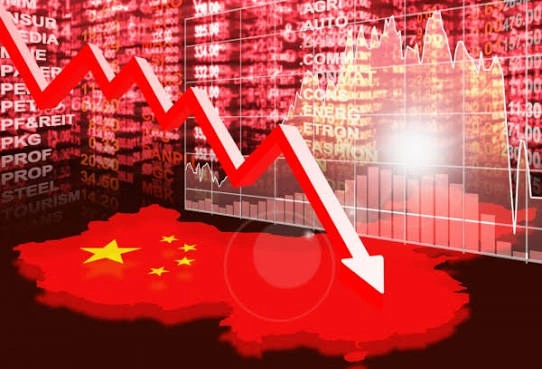
Strong industrial production offsets some weakness, but slowing domestic demand and external pressures continue to weigh on China’s economic recovery.
China’s economy showed signs of slowing in the second quarter after gross domestic product (GDP) growth missed market expectations, highlighting ongoing challenges facing the world’s second-largest economy despite resilient industrial activity.
According to the latest economic data, China’s manufacturing sector remained relatively stable, supported by continued industrial production and exports. However, weaker domestic demand, a struggling property sector, and cautious consumer spending continued to limit overall economic growth.
GDP Growth Misses Forecasts
The latest GDP figures indicate that China’s economic expansion lost momentum during the second quarter, falling below analysts’ expectations.
Economists say the weaker-than-expected performance reflects persistent structural challenges, including slowing investment, subdued consumer confidence, and uncertainty in global trade.
The data has renewed concerns about whether Beijing can achieve its annual economic growth targets without introducing additional policy support. Despite softer GDP growth, China’s industrial sector continued to perform relatively well.
Factory production remained supported by strong manufacturing activity, particularly in high-tech industries, renewable energy, electric vehicles, and advanced equipment manufacturing. The resilience of industrial output has helped cushion the broader slowdown and remains one of the strongest pillars of China’s economy.
Consumer spending continues to recover at a slower pace than expected, while the country’s property market remains under pressure.
Lower household confidence and cautious business investment have reduced economic momentum, prompting calls for additional fiscal and monetary measures to stimulate growth.
Analysts believe boosting domestic consumption will be critical to ensuring sustainable long-term economic expansion.
As the world’s second-largest economy, China’s economic performance has a significant impact on global trade, commodity prices, manufacturing supply chains, and financial markets.Investors worldwide are closely monitoring Beijing’s policy decisions, expecting further stimulus measures if economic conditions continue to weaken.
While industrial production provides some optimism, economists say stronger domestic demand will be essential for China to achieve a more balanced and durable recovery.