
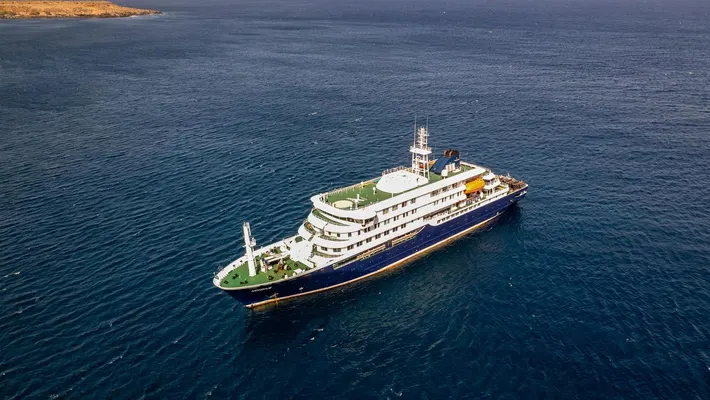
The World Health Organization (WHO) has officially declared an end to the deadly hantavirus outbreak aboard the cruise ship MV Hondius. The announcement came after the final person exposed to the virus successfully completed their mandatory quarantine period, tested negative, and was allowed to return home. In total, the outbreak recorded 12 confirmed cases and one probable case, resulting in three deaths. Because no new infections have been reported since May 25, WHO Chief Tedros Adhanom Ghebreyesus confirmed that the agency no longer views the event as an active international public health risk.
The Dutch-flagged polar exploration vessel originally set sail on April 1 from Ushuaia, Argentina, journeying through remote islands in the South Atlantic Ocean before heading toward Spain’s Canary Islands, where passengers were evacuated. The ship finally docked in Rotterdam, Netherlands, on May 18, and was cleared to return to sea on May 30 following exhaustive cleaning and deep disinfection protocols. Managing the international crisis required tracking and monitoring more than 650 close contacts across 33 different countries and territories.
While the immediate crisis has resolved, global health scientists are now shifting their focus toward prevention and long-term research. Hantaviruses are typically spread by rodents, and the specific “Andes” strain responsible for the MV Hondius outbreak is highly dangerous because it is the only known hantavirus variant capable of human-to-human transmission. Because there are currently no approved vaccines or targeted treatments for the virus, the WHO is coordinating an extensive multi-national study across 21 countries to map how the disease develops, hoping the data will accelerate the creation of future diagnostics and therapeutics.