
Multinational companies and their business groups have opposed a move to stop the sale of products in recyclable PET bottles in Islamabad, saying it has no basis in the capital’s own plastics rules. On Thursday, the Pakistan Environmental Protection Agency (Pak-EPA) said existing regulations do not ban PET bottles.
Background
The dispute follows the “Plastic-Free Islamabad” initiative, launched on October 3 by the Capital Development Authority (CDA) and the Islamabad administration. On October 11, Minister of State for Interior Talal Chaudhry announced a ban on single-use plastic bags in the capital by December 31, and said it would include plastic bottles such as water bottles.
The same day, the district administration announced an expanded crackdown on single-use plastic bottles to begin the next day. Retailers and fast-moving consumer goods (FMCG) companies were reportedly told to discontinue products packaged in PET bottles.
Details
According to Business Recorder, retailers and FMCG companies were left confused by the immediate move, which was reportedly carried out without any warning or notification. Industry-linked reports said the administration began sealing some retail outlets on October 12.
The American Business Forum (ABF), the Overseas Investors Chamber of Commerce and Industry (OICCI) and the Collect and Recycle (CoRe) Alliance objected. The ABF appealed to the interior minister to withdraw the proposed ban and to enforce the ICT Single-Use Plastics Regulations, 2023 effectively. OICCI wrote to Interior Minister Mohsin Naqvi, while CoRe approached the ministers for finance, investment and climate change, as well as the Board of Investment.
The groups argued that PET is a lightweight, food-grade and recyclable plastic with an established collection and recycling chain in Pakistan, and that used bottles are turned into fibres, packaging and new bottles, supporting livelihoods in waste collection and sorting. They also said no formal notification from the CDA or the interior ministry had been issued to ban PET, and that leading frameworks such as the European Union’s Packaging and Packaging Waste Regulation focus on recyclability, collection and producer responsibility rather than blanket bans.
Quotes
Dr Zaigham Abbas, an official of Pak-EPA, said the agency is the sole environmental regulator for Islamabad and that there is no legal basis for removing PET bottles from sale. He added that the Islamabad Capital Territory administration had been informed, according to Dawn.
The business groups said they were committed to advancing circular economy solutions, and that a ban could undermine the recycling value chain. Critics of the broader December 31 target, cited by Dawn, said it is unachievable.
Impact
For retailers and FMCG companies, the clarification restores some legal certainty after several days of confusion over what could be sold. For recyclers and waste collectors, it means the market for used PET bottles continues, at least for now.
The episode also highlights a wider question about how plastic policy is made. The government’s aim of reducing plastic waste is not in dispute, but the groups say enforcement should follow the notified rules, which focus on producer-funded collection, recovery targets and better waste segregation. A Tribune editorial has also argued that if PET needs tighter control, the regulations should be amended through the proper procedure after consulting stakeholders.
Conclusion
Attention now turns to whether the ICT administration will formally withdraw its instructions to retailers, and whether any changes to the rules will be proposed through the legal process. Businesses and recyclers are expected to keep pressing for clear, written guidance before the December 31 deadline for the broader plastics drive.
Frequently Asked Questions
Are PET bottles banned in Islamabad?
No. On October 15, Pak-EPA said existing regulations do not ban PET bottles and that there is no legal basis for removing them from sale. The Single-Use Plastics (Prohibition) Regulations, 2023 ban six categories of items: polythene bags, straws, crockery, cutlery, food-service ware and stirrers. PET bottles used for water and soft drinks are not among them.
Why did multinational companies oppose the move?
The ABF, OICCI and CoRe Alliance said the sudden action was taken without notification and went against the ICT Single-Use Plastics Regulations, 2023, which already treat PET as a permitted, recyclable material. They argued that a blanket ban could undermine investment and the recycling value chain, put livelihoods at risk, and conflict with international approaches that prioritise recyclability and extended producer responsibility. They asked the government to strengthen enforcement of existing rules instead.
What do the rules say about PET bottles in the future?
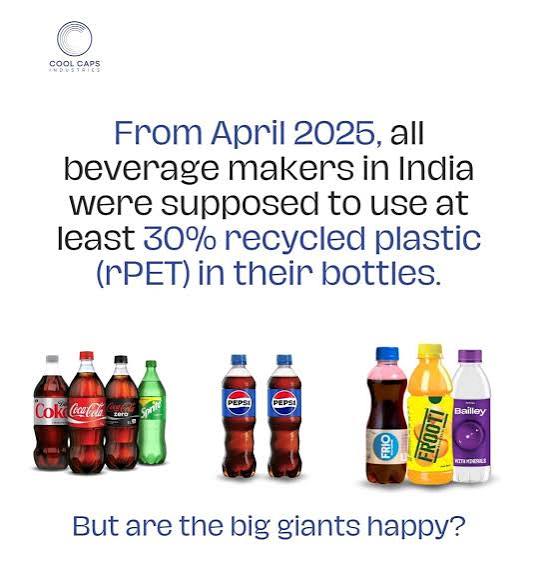
From July 1, 2028, single-use plastic beverage containers must contain at least 50 percent recycled plastic under Schedule II of the 2023 regulations. That is a recycled-content requirement and not a ban. The business groups have urged the government to focus on producer-funded collection and recycling programmes, measurable recovery targets, better waste segregation and investment in recycling infrastructure.