

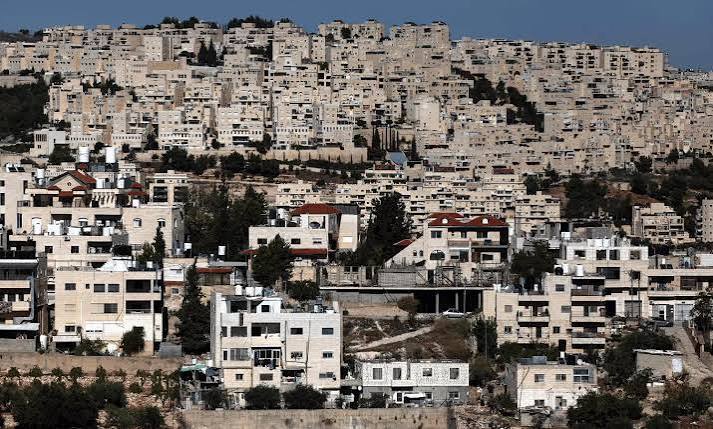
The UK sanctions Israeli firms in a new move aimed at stopping fresh construction in the occupied West Bank. On Tuesday, Britain announced penalties against eight Israeli construction and property development companies accused of helping to plan and build settlements. London also sanctioned the Israeli activist group Tzav 9 for blocking aid deliveries into Gaza.
Background: Why Settlement Construction Is Under Pressure
Israeli settlements in the occupied West Bank are widely seen by the international community as illegal under international law, a position Israel disputes. They have long been one of the biggest obstacles to a negotiated two-state solution. In recent months, the expansion of settlements has drawn sharper criticism from European governments and the United Nations.
Pressure grew after plans were put out to tender in August for more than 1,200 new homes in the occupied territory. European leaders condemned those plans at the time. The UN secretary general has also warned that the E1 project poses an “existential threat” to a contiguous Palestinian state, which shows how seriously the issue is being treated at the international level.
Details: What the Sanctions Include
The British Foreign Office said the measures target construction and property development firms involved in settlement expansion. In its statement, the government said the action will disrupt the companies’ flows of finance and weaken their ability to support further building in the West Bank. The sanctions mean asset freezes for the companies and the activist group, along with director disqualifications.
One of the blacklisted firms is the real estate developer Harey Zahav. The company drew controversy in 2023 when it posted a social media slogan expressing hope that settlers would return to Gaza. It has also gained a reputation for building wildcat settler outposts in the occupied West Bank without authorisation from the Israeli government.
The sanctions on Tzav 9 are linked to a separate issue, the flow of humanitarian aid into Gaza. London says the group has been blocking aid deliveries. The government made clear that it sees the settlement and aid questions as part of the same wider push to protect civilians and keep the prospect of a two-state solution alive.
Quotes: What Ed Miliband Said
UK Foreign Minister Ed Miliband sent a direct message to Israeli businesses. “Do not bid, do not build, and do not profit from the destruction of the two-state solution,” he said. The warning was aimed at companies that might consider winning contracts for settlement projects.
On the Gaza sanctions, Miliband said Britain “will not stand by while those blocking desperately needed aid deepen the intolerable suffering of civilians in Gaza.” The Foreign Office said the UK has taken “firm action” against the eight firms. Together, the statements show London is trying to cut off the money that makes settlement building possible.
Gaza Aid Concerns Add to the Pressure
The announcement came while Israel faces heavy criticism for blocking urgently needed supplies, including tents and timber, from entering Gaza. Heavy rain earlier this month swept away tens of thousands of tents across the territory. According to Hamas-led authorities in Gaza, virtually the entire population has been displaced at least once.
The Foreign Office, citing the United Nations, said more than 150,000 tents and 300,000 tarpaulins bought by humanitarian partners and donors are waiting outside Gaza. It said these supplies are being held by Israeli authorities. The UK also said the floods have left nearly 4,000 households without shelter, while 1.4 million people are living in tents or makeshift shelters. It accused Israeli authorities of blocking timber, which has left no emergency shelter kits available in Gaza.
Impact: What the Move Means
The decision adds to the growing list of Western measures aimed at businesses, rather than only at individuals, linked to settlement activity. Targeting construction and property firms goes to the financial heart of the problem, because developers depend on banks, investors and contracts. Asset freezes and director disqualifications can make it much harder for these companies to operate in or through the UK financial system.
The impact could be felt well beyond the West Bank. For Palestinians, settlement growth often means land loss, demolitions and restricted movement. For Europe and the wider international community, the sanctions send a political signal that continued expansion will carry a cost. The move may also encourage other governments to consider similar steps against companies and groups involved in settlement projects.
Conclusion: What Comes Next
It remains to be seen how Israel will respond and whether other countries will follow the UK’s lead. Much will depend on whether the sanctions actually slow new construction or simply push developers to find other financing routes. Diplomatic pressure over both settlements and Gaza aid is unlikely to ease soon.
For now, the message from London is clear. Companies that bid for or build settlement projects risk financial penalties, and groups that obstruct humanitarian aid can expect to be named and sanctioned. Readers can follow related coverage in our reports on West Bank mosques damaged in suspected arson attacks and the Houthi control of Bab el-Mandeb, and find more global coverage across AAPKA Magazine.
Frequently Asked Questions (FAQs)
1. What did the UK announce against Israeli companies?
Britain announced sanctions against eight Israeli construction and property development companies that it says are helping to plan and build settlements in the occupied West Bank. The measures lead to asset freezes and director disqualifications, which restrict the firms’ ability to raise money and operate. The UK government says the goal is to disrupt their finances and stop further construction, since new building is seen as a threat to the future of a Palestinian state.
2. Why did the UK sanction Tzav 9?
The Israeli activist group Tzav 9 was sanctioned for blocking aid deliveries into Gaza. The Foreign Office says humanitarian supplies are urgently needed, especially after heavy rain damaged tents and shelters. Foreign Minister Ed Miliband said Britain will not stand by while those who block aid deepen civilian suffering. The group faces the same type of penalties as the companies, including asset freezes.
3. Which company was named in the sanctions and why is it controversial?
One of the blacklisted firms is the real estate developer Harey Zahav. It sparked controversy in 2023 after posting a social media slogan that voiced hopes of returning settlers to Gaza. The company is also known for building wildcat settler outposts in the occupied West Bank without Israeli government authorisation. Its inclusion shows that the sanctions target firms active in both legal and unauthorised construction.
4. What does “Do not bid, do not build” mean?
It is a warning from Ed Miliband to Israeli businesses that might take part in settlement projects. By saying companies should not bid, build or profit, he made it clear that taking contracts for such projects can bring serious financial consequences. The message also suggests the UK may look at other firms if they continue to support settlement expansion. It frames the sanctions as a deterrent as well as a punishment.
5. How does this connect to the two-state solution?
The two-state solution depends on a viable and connected Palestinian state, and critics of settlement building say new housing divides Palestinian land. The UN secretary general has warned that the E1 project is an “existential threat” to a contiguous Palestinian state. By targeting the companies that build settlements, the UK argues it is protecting the possibility of a negotiated peace. Israel disputes the criticism of settlements, and the issue remains deeply contested.
6. How serious is the humanitarian situation in Gaza?
According to the Foreign Office, citing the UN, nearly 4,000 households have been left without shelter after the floods, and 1.4 million people are living in tents or makeshift shelters. It also says more than 150,000 tents and 300,000 tarpaulins are waiting outside Gaza but are being held by Israeli authorities. Timber is also being blocked, leaving no emergency shelter kits available inside the territory. Hamas-led authorities say virtually the entire population has been displaced at least once.
7. What could happen next after the UK sanctions?
Other countries may consider similar action, and Israel may respond diplomatically or politically. The sanctions could make it harder for the targeted firms to finance and continue their work, but the long-term effect will depend on enforcement and international cooperation. Observers will also watch whether Gaza aid restrictions ease. The situation is likely to remain a major point of diplomatic pressure in the coming weeks.
Leave a comment