
Dylan Meetze said he experienced severe fatigue, anxiety and muscle twitching after using BPC-157, an experimental peptide promoted by online wellness influencers.
After his third day of spraying the drug into his nose, Meetze began to feel seriously unwell.
“It was like I was underwater, like it took the most to do anything,” he said.
Meetze stopped taking the substance. However, he reported fatigue and anxiety for months afterward. He also said his eyes and muscles continued to twitch.
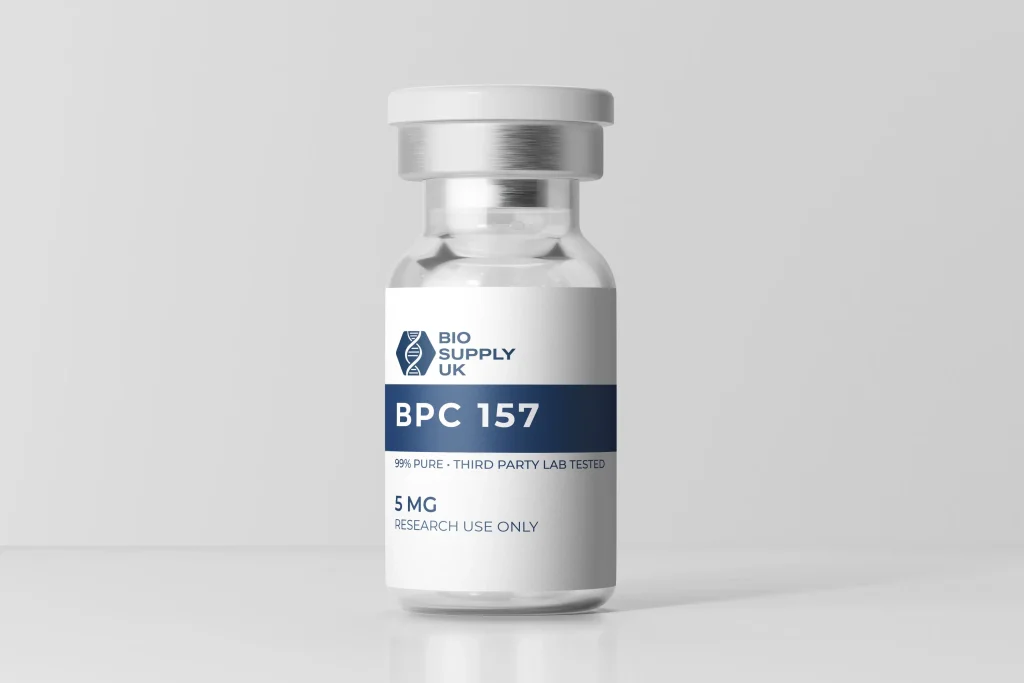
His experience highlights growing concerns about BPC-157, an experimental peptide that has gained popularity through podcasts and online discussions about wellness, longevity and body optimization.
What Is BPC-157?
Peptides are substances made from chains of amino acids, the same building blocks that form proteins. Some peptide-based medicines have received approval from the US Food and Drug Administration (FDA).
These include insulin and certain medicines used to treat obesity and diabetes. However, BPC-157 has not received FDA approval and lacks the robust human clinical evidence needed to establish its safety and effectiveness.
Despite these limitations, online promoters have recommended BPC-157 for muscle injuries, digestive problems and other health conditions. Researchers still need stronger evidence to determine whether the substance provides these benefits or what risks it may pose.
Report Finds Growing Use in the United States
A recent analysis of millions of de-identified electronic health records suggests that BPC-157 use is increasing in the United States, particularly among white men.
The analysis, published as a preprint, reported that more than 1,000 people had told doctors they used the substance since 2020. Because the research has not yet undergone peer review, its findings require further evaluation.
The figures may also fail to capture the full extent of use. People who obtain experimental substances online may not tell their healthcare providers about them.
Wellness Podcasts Help Popularize Peptides
Meetze said he decided to try BPC-157 after listening to Andrew Huberman, a Stanford neuroscientist whose online platforms reach millions of followers.
Huberman has discussed peptides on his podcasts and referred to animal studies suggesting that BPC-157 may help muscles heal. He has also discussed its safety in the context of lethal-dose testing.
During one episode, physician Craig Koniver, who sells peptides through his wellness clinic, described BPC-157 as “super safe” and recommended it for people who exercise regularly.
Koniver did not respond to requests for comment, according to KFF Health News.
Huberman also did not respond to multiple questions from the news outlet. An automatic reply directed the outlet to a disclaimer on his website, which states that podcast content does not constitute medical advice. The disclaimer also says listeners rely on the information at their own risk.
Experts Warn Against Assuming Experimental Drugs Are Safe
BPC-157’s popularity raises questions about the gap between online health claims and established medical evidence. Findings from animal studies do not necessarily predict how a substance will affect humans.
Without adequate human trials, researchers cannot reliably establish the drug’s benefits, appropriate dosage, long-term effects or potential interactions with other medicines. Products sold online may also vary in quality and purity.
Meetze’s reported symptoms do not, by themselves, establish that BPC-157 caused every problem he experienced. However, his account underscores the importance of investigating adverse effects and assessing unapproved substances carefully.
Consumers should consult qualified healthcare professionals before using experimental peptides. They should also be cautious about claims that describe a substance as safe or effective without strong clinical evidence.