

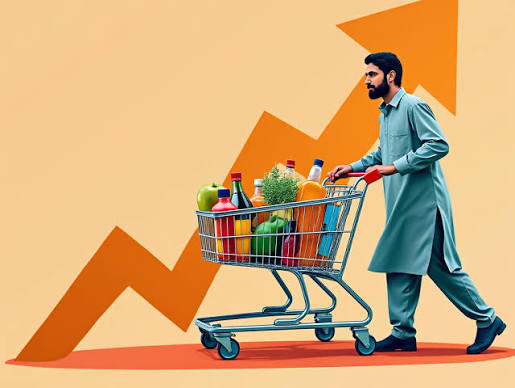
Consumers in Lahore continued to pay inflated prices for everyday food items this week, even after authorities reduced official rates for several commodities. Wide gaps between notified and retail prices persisted across poultry and vegetables, leaving households frustrated over rising food prices.
Background
Price control lists are issued regularly in Lahore to keep the cost of essential perishable items in check. These lists set maximum rates that vendors are supposed to follow when selling items such as chicken, vegetables and fruit. In practice, markets across the city have repeatedly failed to reflect these official rates, a pattern that has continued for months in different areas of Punjab.
The latest round of pricing data shows the same disconnect playing out again, with shoppers reporting that government intervention has done little to bring actual market prices down to the levels set on paper.
Details
The poultry sector showed some of the clearest discrepancies this week. The price of live chicken rose by Rs25 to reach Rs333 per kilogram on the official list, while the notified rate for chicken meat increased by Rs37 to Rs483 per kilogram. Despite these official figures, chicken meat was still being sold in the market for between Rs500 and Rs570 per kilogram, well above the government-set price.
Many live birds also went unsold across the city, suggesting buyers were either unwilling or unable to pay the asking prices at various outlets.
The vegetable market followed a similar upward trend, with several essential perishable items becoming more expensive over the course of the week. Sugar-free potatoes, for instance, remained unchanged at an official rate of Rs27 to Rs30 per kilogram, yet retailers were charging consumers between Rs50 and Rs70 per kilogram for the same product.
This kind of gap was not limited to one or two items. Across multiple categories of fresh produce, the pattern of retail prices sitting well above officially notified rates repeated itself, reinforcing concerns that price lists are not being properly enforced at the point of sale.
Quotes
Several consumers interviewed in the markets voiced frustration over the ongoing disparity. One shopper said the government’s official lists appeared to have little real effect on what people actually paid at the counter. Another shopper explained that families were being forced to cut back on everyday food purchases simply to manage the rising cost of groceries.
Impact
The continued gap between notified and retail prices is adding direct financial pressure on household budgets, particularly for families who rely on daily purchases of fresh food rather than bulk buying. Items like chicken, potatoes and other staple vegetables make up a significant share of everyday spending for many households, so even modest price increases above the official rate can add up quickly over a week or a month.
The pattern also raises broader questions about enforcement. When official price lists are published but not consistently applied in the market, public confidence in these measures tends to erode, and vendors face little real deterrent against charging more than the fixed rate.
Conclusion
Unless enforcement of official price lists is strengthened, consumers in Lahore are likely to keep facing the same gap between notified and retail prices in the weeks ahead. For now, households are left absorbing the difference, with no clear signal that market rates will align with government figures anytime soon.
Frequently Asked Questions
What are perishable food items?
Perishable food items are products that spoil or lose quality relatively quickly if they are not properly stored, sold or consumed within a short period of time. This category typically includes fresh vegetables, fruits, poultry, meat, dairy products and similar goods that do not have a long shelf life compared to packaged or processed food. Because these items need to be sold quickly before they go bad, their prices tend to be more sensitive to short-term supply and demand changes, seasonal availability and transportation issues, which is part of why governments often issue weekly or regularly updated official price lists specifically for this category of goods.
Why are consumers facing overcharging on perishable food items?
Overcharging on perishable food items generally happens because of a combination of weak enforcement of official price lists, limited availability of goods at the fixed rates, and the layered nature of supply chains between wholesalers, middlemen and retail vendors. Even when authorities reduce or fix official rates for items like chicken or vegetables, many retailers continue charging higher prices if there is little oversight or follow-up action in local markets. Limited supply of certain items at any given time can also push vendors to sell above the notified rate, since buyers often have few alternative options once they are already at the market. Without consistent monitoring and penalties for violations, the gap between official and actual retail prices tends to persist week after week.
Leave a comment