

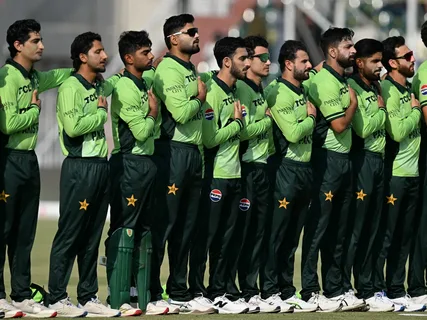
Pakistan’s PCB central contract list just grew in a way it never has before. For the first time in the board’s history, Pakistan’s Under-19 players have been awarded formal central contracts, a reward that follows a strong one-day series win in England.
Background A Reward Tied to Performance in England
The announcement came directly from PCB chairman Mohsin Naqvi, who met the Pakistan Under-19 squad at the board’s Lahore headquarters following their return from a tour of England. The young side had just clinched a four-match one-day series 3-1, a result that clearly caught the chairman’s attention.
Central contracts have existed for Pakistan’s senior men’s team for years, most recently reshaped into a format-based track system for the 2026-27 season. Junior-level contracts, by comparison, simply didn’t exist before this announcement, which is exactly why officials and players alike are calling this a landmark moment for the pathway level of Pakistani cricket.
Why This Matters for the Broader PCB Central Contract Players List
Extending contracts down to the Under-19 level changes the shape of the PCB central contract players list in a meaningful way. Rather than young players waiting years for financial recognition once they break into the senior setup, this new tier offers earlier support tied directly to performance, potentially changing how promising teenagers plan their early careers.
Details What Was Actually Announced
During the Lahore meeting, Naqvi met with the Under-19 players individually, praising their performances and encouraging them to continue developing. The central contracts decision was announced as part of that same interaction, framed explicitly as recognition for their tour form rather than a routine annual process.
Pakistan Under-19 head coach Shahid Anwar described the move as a positive step that would help motivate young cricketers to keep improving. He also pointed to the development camps held in Multan over the past two years as a key factor behind the team’s recent progress, tying the new contracts to a longer-running investment in the pathway system rather than treating them as an isolated gesture.
Quotes What the Players Themselves Said
Pakistan Under-19 captain Farhan Yousaf spoke about the impact of the Multan camps directly, saying they had produced genuinely positive results over the past two years and that meeting the PCB chairman in person was an encouraging experience for the whole squad. He added that receiving central contracts at the Under-19 level for the first time was a source of real happiness for the players involved.
Fellow squad member Aliyan Salman said the contracts would help boost the players’ confidence and morale, allowing them to focus more fully on their cricket rather than outside pressures. Jahangir Bilal took a slightly different angle, noting that the financial support tied to the contracts would let young players contribute to their families, a point that speaks to the economic reality many young athletes in Pakistan face even after making a national squad. Rizwanullah also thanked Naqvi and the board directly, describing the announcement as a major source of encouragement for the emerging group.
Impact What This Means for Pakistan’s Cricket Pipeline
Extending formal contracts to the Under-19 level puts Pakistan more in line with boards that invest heavily in structured pathway systems well before players reach senior international cricket. It also gives the PCB a new tool for retention, since young cricketers with strong domestic or age-group performances now have a clearer, earlier form of financial recognition to aim for.
There’s a regional dimension worth noting too. Pakistan’s Under-19 setup competes directly against similarly resourced pathway programs across South Asia and beyond, and financial backing at this level can influence whether talented teenagers stay fully committed to a cricket career or drift toward other opportunities. A contract, even a modest one at this age group, sends a signal that the board sees long-term value in a player before they’ve proven themselves at the senior level.
This move also arrives at a moment when PCB has been actively restructuring its senior contract system, moving from the old Category A-D grading to the new track-based model. Layering a new Under-19 tier on top of that restructuring suggests the board is treating contract reform as an ongoing, multi-level project rather than a one-time fix.
Conclusion What Comes Next
Specific salary figures or contract terms for the Under-19 players have not been publicly detailed yet, and it remains to be seen whether this becomes a recurring, formalized part of PCB’s annual contract cycle or a one-off reward tied to this particular England tour. Given how closely PCB has tied the announcement to on-field performance, future editions of the Under-19 contract list will likely depend heavily on how the squad performs in its next major assignments.
For now, the broader PCB central contract list conversation now spans everything from senior format-based tracks to, for the first time, a dedicated Under-19 tier, reflecting a board that’s clearly rethinking how it structures player pay from the ground up.
Frequently Asked Questions
What is Saim Ayub’s salary?
Saim Ayub’s most recently confirmed salary comes from the 2025-26 men’s central contract cycle, where he was promoted to Category B, a bracket that included Babar Azam, Fakhar Zaman, and Shaheen Shah Afridi. Category B carried a reported monthly retainer of around Rs 3 million at that time, in addition to separate match fees for international appearances. His salary under PCB’s newer 2026-27 track-based system hasn’t been made public, since the board has chosen not to formally disclose individual track placements this cycle.
Who are the players on England cricket’s central contracts for 2026?
England’s central contract list, announced by the ECB in November 2025 and covering the period through 2026, features 14 players on two-year deals, including Ben Stokes, Joe Root, Jos Buttler, Harry Brook, and Jofra Archer. Another 12 players, among them Zak Crawley, Ollie Pope, and Mark Wood, hold one-year contracts running through September 2026. Four further players are on development contracts, giving England a total of 30 centrally contracted cricketers across its full pathway.
How much does a PCB pay to Babar Azam?
Babar Azam’s last publicly confirmed pay comes from the 2025-26 season, when he held a Category B contract after being demoted from the top Category A bracket due to a dip in recent form. That category was reported to carry a monthly retainer of approximately Rs 3 million, along with separate match fees and a share of the board’s ICC revenue distribution added on top. His current standing under PCB’s new format-based track system for 2026-27 has not been officially confirmed, since the board has opted to keep this cycle’s individual player placements private rather than releasing a public list.
Leave a comment