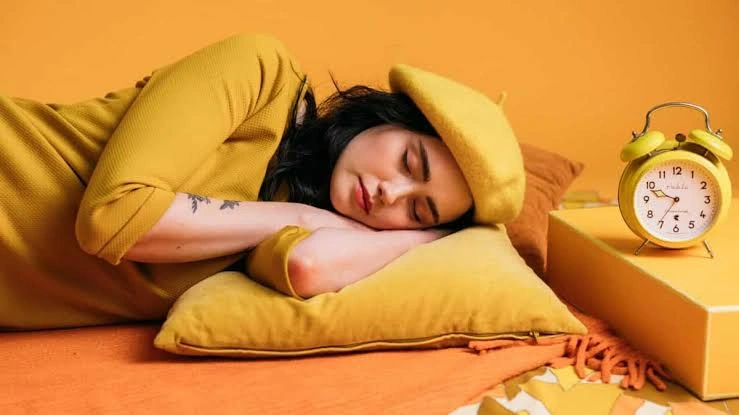

LONDON: Tracking sleep scores, taking magnesium supplements and using white-noise machines have become part of a growing wellness trend known as sleepmaxxing. But doctors warn that trying too hard to achieve perfect sleep can sometimes have the opposite effect.
The term sleepmaxxing describes efforts to optimise sleep through technology, routines, supplements and other techniques. While improving sleep habits can be beneficial, excessive focus on sleep quality may lead to orthosomnia — an unhealthy preoccupation with achieving supposedly perfect sleep.
Orthosomnia is not formally recognised as a clinical condition in the UK, but doctors told the BBC they have noticed signs of the problem among some patients. Some people arrive at medical appointments carrying data from sleep trackers and become convinced they have a sleep disorder despite having no medical evidence of one.
Experts warn that anxiety over sleep measurements can itself make it harder to sleep.
Sleepmaxxing and the Rise of Sleep Trackers
The rise of sleepmaxxing has coincided with the rapid growth of wearable technology.
The Fitbit Classic, launched in 2009, was among the first commercial fitness trackers to incorporate sleep analysis. Since then, companies including Garmin, Whoop and Apple have introduced increasingly detailed sleep-monitoring features into wearable devices.
Smart rings, including products from Oura, Ultrahuman and RingConn, have also expanded the market for sleep tracking.
These devices generally analyse nighttime activity and provide estimates of different sleep stages, including time awake, light sleep, deep sleep and rapid eye movement (REM) sleep. Many also turn the data into an overall “sleep score”.
However, Dr Alanna Hare, a consultant in sleep medicine at the Royal Brompton Hospital in London, told the BBC that the concept of a sleep score is not recognised within sleep science.
She said manufacturers created the scoring systems to provide users with a simplified measurement of their night’s sleep.
Sleepmaxxing Can Increase Anxiety About Sleep
While sleep trackers can encourage people to pay attention to their sleeping habits, sleepmaxxing can become counterproductive when people become overly concerned about the numbers.
Dr Hare said she had noticed more patients bringing data from sleep trackers to medical appointments and asking questions about their sleep based on the readings.
In some cases, patients had undergone medical tests that produced reassuring results, yet continued to worry about their sleep because of what their wearable devices appeared to show.
This can create a cycle in which people become increasingly focused on sleep, monitor their statistics more closely and then become anxious when their numbers fail to meet their expectations.
Experts say sleep is not something that responds well to attempts to make every aspect of it perfect. Concern about getting a specific amount of deep sleep or achieving a high sleep score can create pressure at bedtime, making relaxation more difficult.
Sleepmaxxing May Not Be the Secret to Better Sleep
The growing sleepmaxxing trend reflects a positive development in one respect: more people are recognising the importance of healthy sleep.
However, experts caution against turning sleep into another performance target.
Sleep naturally varies from night to night, and wearable devices provide estimates rather than definitive medical diagnoses. A lower sleep score on a particular night does not necessarily mean someone has a sleep disorder.
Instead of constantly monitoring sleep statistics, people may benefit from focusing on basic, sustainable sleep habits and seeking medical advice when persistent symptoms genuinely affect their wellbeing.
The central lesson from sleep specialists is that sleep should not become another task that people feel they must perfect. Sometimes, trying less to control sleep may be exactly what helps people sleep better.