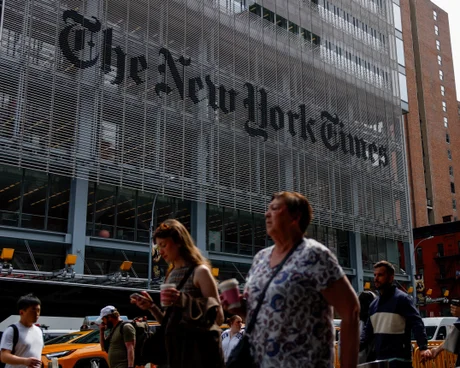

Washington: The administration of U.S. President Donald Trump has reportedly issued another subpoena targeting a journalist, this time involving reporting on a classified U.S. military operation in North Korea, according to The New York Times.
The newspaper reported on Saturday that freelance journalist Matthew Cole is the latest reporter to face legal action as part of an investigation into alleged government leaks.
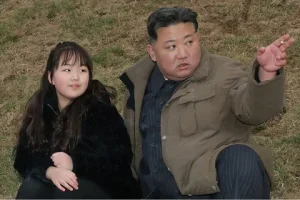
Cole co-authored an investigative report with New York Times national security correspondent Dave Philipps in September last year, detailing a secret 2019 U.S. Navy SEAL mission to North Korea.
According to the report, the covert operation aimed to plant an electronic surveillance device capable of intercepting communications. However, the mission allegedly went awry after Navy SEALs encountered a North Korean vessel and opened fire, forcing the operation to end unsuccessfully.
FBI Delivered the Subpoena
The New York Times, citing anonymous sources familiar with the matter, said Federal Bureau of Investigation (FBI) agents went to Cole’s residence in New York City in February to serve the subpoena.
When Cole was not at home, the subpoena was reportedly delivered to his attorney instead.
The legal action is the latest in a series of measures taken by the Trump administration as it seeks to identify the sources of confidential government information published in the media.
Press Freedom Concerns
The New York Times is providing legal support to Cole in the case.
Attorney David A. O’Neil, who has represented the newspaper in previous legal matters, is leading Cole’s defense.
In a statement quoted by the newspaper, O’Neil said:
“Matthew Cole will defend press freedom and the First Amendment from this administration’s brazen attacks on journalists, and he will honor his commitment to his sources.”
Growing Debate Over Media Rights
The subpoena has renewed concerns among press freedom advocates about the balance between protecting national security and safeguarding journalists’ constitutional rights.
Media organizations and civil liberties groups have repeatedly argued that compelling reporters to reveal confidential sources could undermine investigative journalism and discourage whistleblowers from exposing matters of public interest.
The Trump administration has not publicly commented on the reported subpoena. The case is expected to further fuel debate over government leak investigations and the protections afforded to journalists under the First Amendment of the U.S. Constitution.