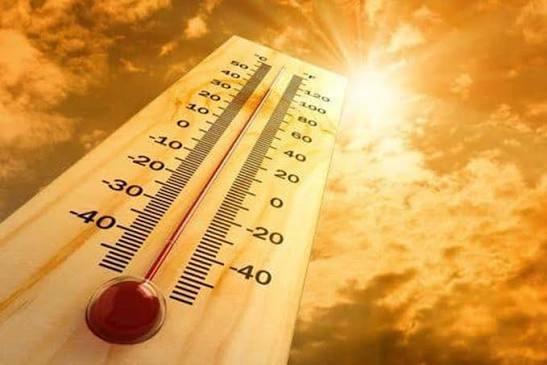

SEOUL: South Korea recorded its highest temperature since weather observations began more than a century ago, as an intense heatwave continued to grip the country, the Korea Meteorological Administration (KMA) said on Sunday.
According to the KMA, the southeastern city of Yangsan registered a temperature of 42.5°C at 1:26 p.m. local time (0426 GMT), setting a new national record.
Yangsan has been at the center of the country’s prolonged heatwave, with temperatures exceeding 40°C for five consecutive days, underscoring the severity of the extreme weather conditions.
Heat Alerts Issued Across the Country
Much of South Korea remains under heat warnings, with temperatures in many cities climbing into the upper 30s Celsius.
Authorities have placed more than 20 regions under emergency heatwave alerts, a new warning category introduced this year to better respond to increasingly severe heat events.
Under the KMA’s guidelines, an emergency heatwave alert is issued when the perceived temperature is forecast to reach 38°C or the actual temperature is expected to hit 39°C for at least one day.
Rising Heatwave Trends
Meteorological data show that South Korea has experienced a significant increase in extreme heat over recent decades.
According to the KMA, the country’s average annual number of heatwave days has risen from eight days in the 1970s to approximately 19 days per year over the past five years.
A heatwave day is officially defined as a day when the maximum temperature reaches 33°C or higher, while a tropical night occurs when overnight temperatures remain at 25°C or above, providing little relief from the daytime heat.
Climate Change Driving Extreme Weather
Climate scientists have warned that human-induced climate change is increasing both the frequency and intensity of extreme weather events, including prolonged heatwaves.
Rising global temperatures have contributed to more frequent record-breaking heat across many parts of the world, raising concerns about public health, agriculture, energy demand, and infrastructure resilience.
South Korean authorities continue to urge residents to limit outdoor activities during peak afternoon hours, stay hydrated, and take precautions to reduce the risk of heat-related illnesses as the extreme temperatures persist.