
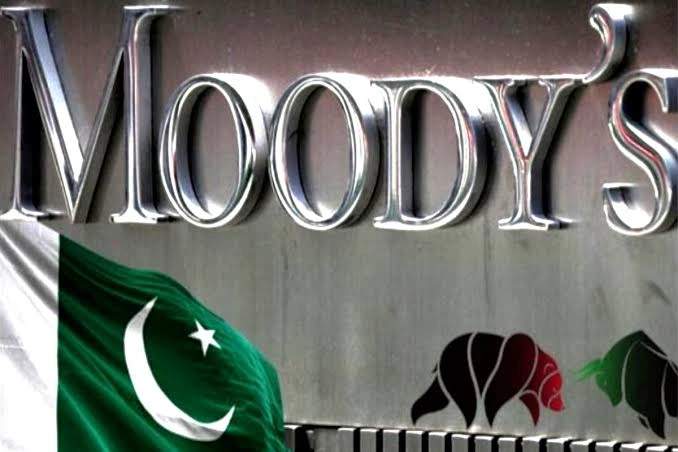

ISLAMABAD: Moody’s Ratings has upgraded Pakistan’s sovereign credit rating to B3 from Caa1, citing improvements in the country’s external position, fiscal performance and domestic financing conditions.
The global ratings agency maintained Pakistan’s outlook at “stable”, according to Bloomberg. The upgrade represents a significant improvement in the country’s credit assessment after years of financial pressure and heightened concerns over external financing.
Moody’s said Pakistan’s external vulnerabilities have eased as the country’s foreign-exchange reserves have steadily increased. The improvement has been supported by broader macroeconomic stabilisation and measures aimed at strengthening the economy.
The ratings agency also highlighted lower domestic financing costs following monetary easing. According to Moody’s, declining borrowing costs combined with an improved fiscal position have resulted in a material improvement in Pakistan’s debt affordability.
Moody’s further said Pakistan’s credit profile has demonstrated greater resilience to external shocks than during previous economic cycles. The agency noted that this resilience has continued despite challenges linked to the ongoing Middle East conflict.
The rating upgrade comes as Pakistan continues rebuilding its foreign-exchange reserves and implementing economic reforms following several years of financial instability. The announcement was made after the close of trading at Pakistan’s stock market.
Pakistan’s dollar-denominated bonds responded positively to the development, with most bonds gaining. The note maturing in 2051 recorded its strongest increase since August 20, according to Bloomberg data.
The latest upgrade follows a similar move by S&P Global Ratings, which raised Pakistan’s sovereign credit rating in July, citing improvements in economic and financial conditions.
Despite the upgrade, Pakistan remains in speculative-grade territory, although Moody’s assessment indicates that the country’s risk profile has improved from very high to high. Sovereign debt with similar ratings includes Argentina, Nigeria and Kyrgyzstan.
Moody’s, however, cautioned that Pakistan’s credit profile remains vulnerable. The agency pointed to fragile external finances, weak debt affordability and the country’s relatively narrow revenue base as continuing challenges.
Prime Minister Welcomes Rating Upgrade
Prime Minister Shehbaz Sharif welcomed Moody’s decision, describing the improvement as an indication of growing international confidence in Pakistan’s economic policies and reform programme.
In a statement, the prime minister praised the government’s economic team for its efforts to strengthen the country’s economic outlook. He particularly acknowledged Deputy Prime Minister and Foreign Minister Ishaq Dar and Chief of Defence Forces and Chief of Army Staff Field Marshal Asim Munir.
Shehbaz Sharif said the improved Pakistan credit rating reflected recognition by international financial institutions and global ratings agencies of the progress made in stabilising the economy.
The prime minister said the government had taken a series of measures to stabilise the economy, strengthen the external sector and improve financial conditions.
He added that international confidence in Pakistan was increasing as the government continued implementing economic reforms.
The prime minister also pledged to accelerate reforms with the aim of placing Pakistan’s economy on a sustainable path and making the country more financially resilient and self-reliant.
Pakistan Returns to International Debt Markets
The rating upgrade follows several developments in Pakistan’s international financing strategy.
In April, Pakistan returned to international debt markets after more than four years by selling a global bond through a private placement.
A month later, the country issued its first yuan-denominated notes in China’s onshore market, marking another step toward diversifying its sources of foreign financing.
Pakistan’s foreign-exchange reserves have also strengthened considerably. According to the latest available data, the country’s reserves have risen to around $17.1 billion.
The improvement in reserves, lower financing costs and stronger fiscal indicators have helped reduce some of the immediate pressures that previously weighed heavily on Pakistan’s sovereign credit profile.
However, the country still faces significant structural challenges, including a narrow tax base, high debt levels and vulnerability to external financing conditions.
The Moody’s upgrade nevertheless marks an important step in Pakistan’s efforts to restore investor confidence and improve its access to international financial markets.