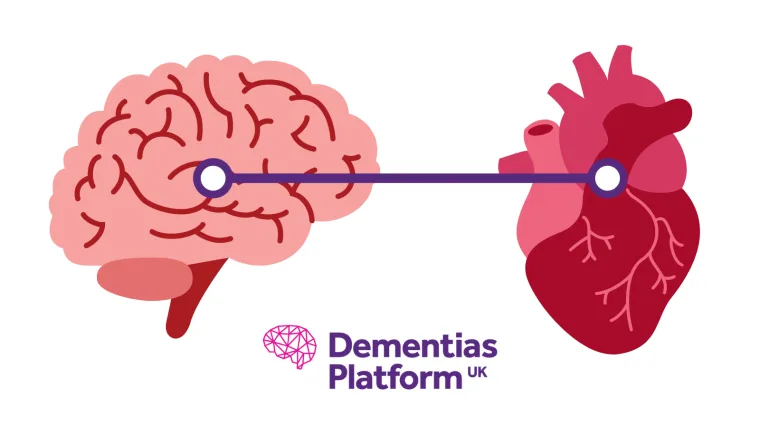

Researchers found that conditions affecting the heart and blood vessels can contribute to changes in the brain that are associated with vascular dementia and cognitive decline. Poor blood-vessel health can restrict the supply of oxygen and nutrients reaching brain tissue, potentially causing damage over time.
Smoking is among the major risk factors identified in the study. Tobacco use can damage blood vessels, increase inflammation and contribute to cardiovascular problems, all of which may affect brain health.
High blood pressure is another important concern. When blood pressure remains elevated for long periods, it can place additional stress on blood vessels supplying the brain. This may increase the risk of vascular damage and contribute to cognitive problems later in life.
The study also highlighted heart disease as an important factor associated with vascular dementia-related brain changes. Conditions that affect the heart can interfere with efficient blood circulation and may increase the likelihood of damage to the brain’s blood vessels.
Similarly, high blood lipid levels, including elevated cholesterol, can contribute to the buildup of fatty deposits in blood vessels. Over time, this may impair circulation and increase the risk of vascular problems affecting the brain.
The findings reinforce the importance of addressing cardiovascular risk factors early. Healthier lifestyle choices may help protect both the heart and brain as people age.
Experts commonly recommend avoiding tobacco, maintaining healthy blood pressure and cholesterol levels, exercising regularly, eating a balanced diet and managing other cardiovascular risk factors.
Vascular dementia occurs when reduced blood flow damages brain tissue. It is one of the major forms of dementia and can affect memory, thinking, reasoning and everyday functioning.
The latest findings add to growing evidence that what is good for the heart can also be good for the brain. While lifestyle changes cannot guarantee prevention of dementia, controlling modifiable cardiovascular risks may help reduce the likelihood of vascular damage and support healthier brain aging.