
TEHRAN: Iran has warned Gulf countries that any new military attack by the United States on Iranian territory would trigger retaliation against critical energy infrastructure and U.S. assets across the region, according to multiple diplomatic sources familiar with the discussions.
The warning came after US President Donald Trump reportedly threatened on July 28 to target Iran’s energy facilities and key infrastructure if tensions between the two countries escalate further.
According to five sources with knowledge of the matter, Iran has intensified high-level diplomatic contacts in an effort to deter any potential US military action while simultaneously signaling its readiness to respond if attacked.
Diplomatic Outreach to Regional Allies
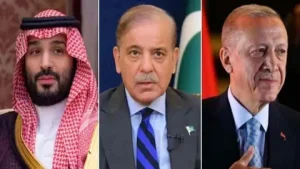
Sources said Iranian Foreign Minister Abbas Araqchi held discussions with the foreign ministers of Saudi Arabia, Qatar, and Türkiye, as well as Pakistan’s Chief of Army Staff, to convey Tehran’s position.
The officials, who spoke on condition of anonymity due to the sensitivity of the issue, said Araqchi urged Gulf countries with close ties to Washington to use their influence to discourage the United States from launching another round of strikes against Iran.
According to a senior regional diplomat, Tehran emphasized that diplomacy remains the best path to preventing a wider regional conflict.
Warning of Retaliation
During the diplomatic engagements, Iranian officials reportedly warned that any attack targeting Iran’s infrastructure would be met with a direct response against US military assets and energy facilities located across the Gulf region.
One Gulf-based source described Iran’s message as “clear and unequivocal,” saying Tehran had made it known that attacks on its territory would not go unanswered.
Iranian officials reportedly stressed that while the country remains prepared to retaliate, it still prefers a diplomatic solution to avoid broader instability and destruction.
Rising Regional Tensions
The latest warning highlights growing concerns over renewed military escalation in the Middle East, where Gulf countries host several American military bases while also serving as major global energy exporters.
Analysts say Iran is attempting to increase the potential cost of any future US military action by signaling that key regional infrastructure could become targets in the event of a conflict.
The diplomatic efforts also place Gulf states in a delicate position, as they seek to maintain close security partnerships with Washington while avoiding a wider confrontation that could threaten regional stability and global energy supplies.
Diplomatic Solution Still Preferred
Despite its strong warnings, Tehran has continued to emphasize that it favors diplomacy over military confrontation.
Regional observers believe ongoing diplomatic engagement between Iran, Gulf countries, and other regional stakeholders could play an important role in preventing further escalation at a time of heightened geopolitical tensions.
However, with relations between Washington and Tehran remaining strained, concerns persist that any new military action could have significant consequences for security, energy markets, and stability across the Middle East.