
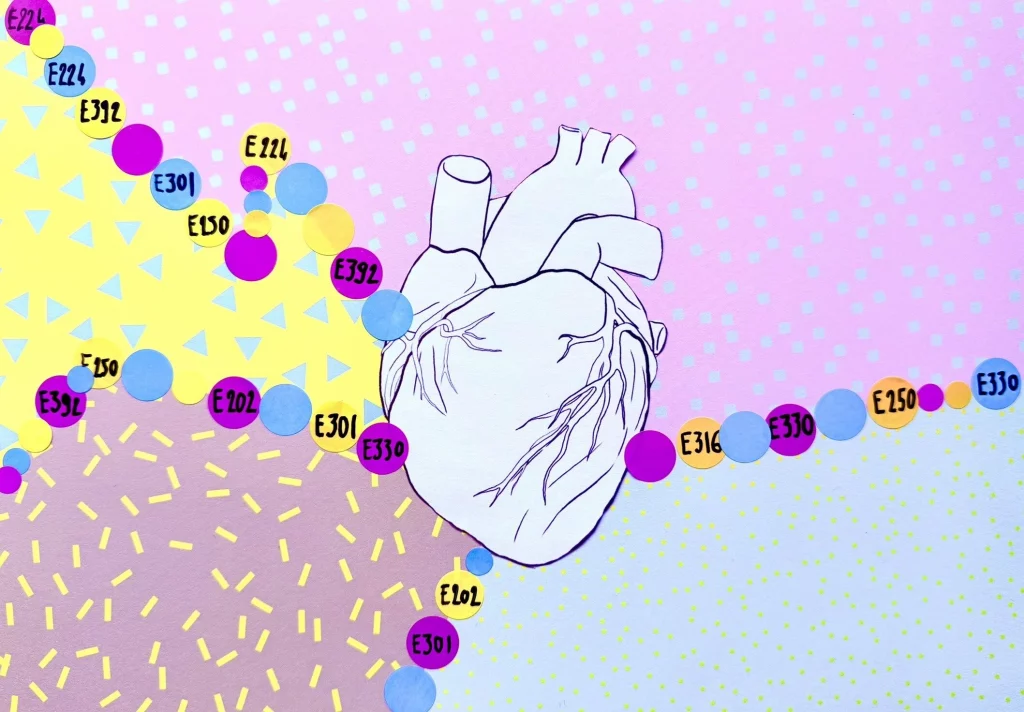

PARIS: A new French study has found that food preservatives commonly used in store-bought and processed foods may significantly increase the risk of high blood pressure, heart attacks, and stroke, raising fresh concerns about the long-term health effects of food additives.
The research, conducted by scientists in France, found that people who consumed higher amounts of certain food preservatives had a 29% greater risk of developing high blood pressure and a 16% higher risk of cardiovascular events, including heart attacks and stroke.
Researchers also discovered that some antioxidant preservatives—including citric acid and ascorbic acid (vitamin C)—were associated with a 22% increased risk of high blood pressure among individuals who regularly consumed foods containing these additives.
Study Raises Questions About Food Preservatives
The findings come from the ongoing NutriNet-Santé Study, one of France’s largest nutrition research projects, which investigates how diet influences long-term health.
According to Dr. Mathilde Touvier, the study’s senior author and principal investigator, the research focused on preservatives added to processed foods, not the naturally occurring nutrients found in fresh fruits and vegetables.
“Naturally occurring ascorbic acid and added ascorbic acid—which may be chemically manufactured—may have different impacts on health,” Touvier explained.
She emphasized that the results do not apply to the natural vitamin C and citric acid found in fruits and vegetables.
“The results observed here for these food additives are not true for natural substances found in fruits and vegetables,” she added.
What Are Food Preservatives?
Food preservatives are substances added to packaged foods to prevent the growth of bacteria, mold, and yeast, extend shelf life, and maintain freshness. They are widely used in products such as:
- Packaged breads
- Processed meats
- Ready-to-eat meals
- Snack foods
- Soft drinks
- Sauces and condiments
- Frozen meals
- Canned foods
Some preservatives also act as antioxidants, helping prevent foods from changing color or spoiling when exposed to air.
Experts Urge Consumers to Read Food Labels
While the study found an association between food preservatives and increased cardiovascular risk, researchers noted that it does not prove the additives directly cause heart disease. Additional studies are needed to confirm the findings and understand the biological mechanisms involved.
Health experts nevertheless encourage consumers to:
- Read ingredient labels carefully.
- Limit highly processed and ultraprocessed foods.
- Choose fresh fruits and vegetables whenever possible.
- Prepare more meals at home using whole ingredients.
- Follow a balanced diet rich in fiber, lean proteins, and healthy fats.
Heart Health Remains a Global Concern
Cardiovascular disease remains the leading cause of death worldwide, making diet an important factor in preventing chronic illness.
Researchers say the latest findings add to growing evidence that regular consumption of processed foods containing multiple food additives may contribute to long-term health risks.
Although preservatives play an important role in food safety and preventing spoilage, scientists believe more research is needed to determine how different additives affect the human body over time.
Until then, nutrition experts recommend focusing on a diet centered around fresh, minimally processed foods to help reduce the risk of high blood pressure, heart disease, and stroke.