

The All Pakistan Textile Mills Association (Aptma) has set out plans to help Pakistani retail brands expand into global markets, as part of a wider push to raise textile exports by $3 billion within the next 12 months. The plan was discussed at the first-ever Manufacturing Retail Working Session, held in Lahore with the Chainstore Association of Pakistan (CAP).
Background
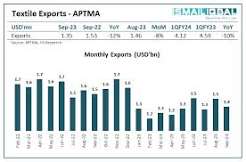
Textile and apparel remain Pakistan’s largest export sector, and the industry has been looking for ways to earn more from each product it ships. In the 2024-25 fiscal year, textile exports rose 7.39 percent to $17.887 billion, up from $16.655 billion the year before, according to earlier Express Tribune reporting.
For years, many Pakistani mills have built their business on making goods for international labels. Aptma’s latest initiative aims to change that, by bringing local retailers and manufacturers closer together and encouraging homegrown brands to compete abroad.
Details
The working session brought together leading Pakistani retail brands and textile manufacturers. Its goals are to strengthen domestic sourcing, develop internationally competitive products, and create a pathway for Pakistani brands to enter global markets.
The initiative sits within a bigger target. Aptma wants to add $3 billion to textile exports in the next 12 months and reach $10 billion in additional exports over the next few years. The association says this will come from greater value addition, stronger industrial collaboration and the international expansion of Pakistani brands.
Aptma Chairman Asad Shafi pointed to the strength of Pakistan’s retail landscape, where homegrown brands dominate organised fashion retail. In his view, this shows the country’s local entrepreneurship, design skills and understanding of consumers.
Shafi also noted the progress already made in value-added exports. More than 80 percent of Pakistan’s textile exports now consist of value-added consumer products such as apparel and home textiles. The next challenge, he said, is capturing a larger share of the value created beyond the manufacturing stage.
Quotes
Shafi said Pakistan’s strongest local brands already compete on quality, design and retail experience, adding, “The next step is to take these brands global.” He argued that the country should not limit its ambition to making products for foreign brands when it has the capability to develop, manufacture, brand and sell its own products to consumers worldwide.
Impact
If the plan works, it could shift Pakistan’s textile sector from being mainly a supplier to being an owner of consumer brands. That matters because the profit in the textile chain often sits with the brand and the retail channel rather than the factory.
The scale of the target is also notable. Measured against the $17.887 billion recorded in 2024-25, an extra $3 billion would be an increase of roughly 17 percent. Separately, Commerce Minister Jam Kamal Khan has called for wider access to export credit insurance and financing so that smaller businesses and first-time exporters can enter new markets, an issue that could shape how quickly new brands can scale abroad.
Conclusion
The working session is an early step, and the main questions are about delivery. Aptma and CAP will need to show how brand-building, sourcing and market entry will be supported in practice if they are to meet the $3 billion target in 12 months. Industry watchers will be looking for concrete partnerships between mills and retailers in the coming months.
Frequently Asked Questions
What is the Manufacturing Retail Working Session?
It is a first-of-its-kind event hosted in Lahore by the All Pakistan Textile Mills Association (Aptma) in collaboration with the Chainstore Association of Pakistan (CAP). It brought together leading Pakistani retail brands and textile manufacturers to strengthen domestic sourcing, develop products that can compete internationally, and create a route for Pakistani brands to expand into global markets. The session is part of a larger effort to raise the value of Pakistan’s textile exports through collaboration between mills and retailers.
What export targets has Aptma announced?
Aptma wants to raise Pakistan’s textile exports by $3 billion within the next 12 months and by $10 billion over the next few years. The association says the growth would come from greater value addition, stronger industrial collaboration and the international expansion of Pakistani brands. For context, textile exports stood at $17.887 billion in the 2024-25 fiscal year, up 7.39 percent from the previous year, so the first target alone would be a sizeable jump.
Why is Aptma focusing on global brands instead of just manufacturing?
According to Aptma Chairman Asad Shafi, Pakistan has already made major progress in value-added exports, with more than 80 percent of textile exports made up of finished consumer products like apparel and home textiles. He argues that the country now needs to capture more of the value generated beyond manufacturing, which means designing, branding and selling its own products to customers around the world. In his view, Pakistan’s strong local retail brands show that the capability already exists, and the next step is to take them global rather than only producing for international labels.
Leave a comment